

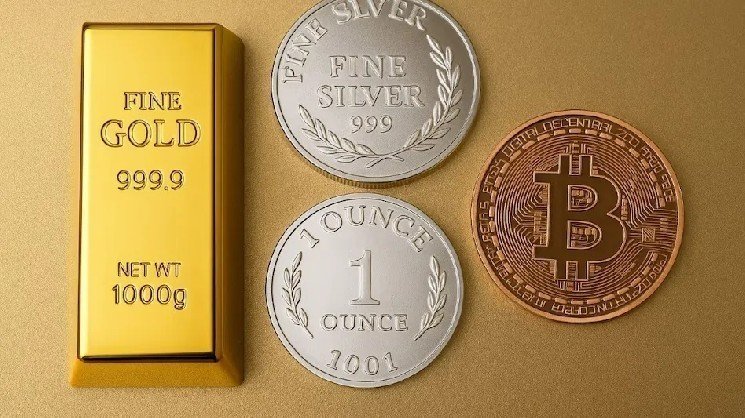
The sharp wave that hit global markets on the night of January 29-30, 2026 turned into a multi-layered “total asset” decline that cannot be reduced to a single factor.
The sudden reversal of the record rally in precious metals, the sharp declines seen in major technology stocks (particularly Microsoft), and the reflection on cryptocurrencies, one of the most liquidity-sensitive sectors, immediately set off a chain reaction of panic.
One of the main triggers for the stock market decline was pricing following Microsoft’s earnings report. While the company’s results beat expectations in some areas, the market’s focus was on the slowing growth of Azure and the return profile of high spending on AI infrastructure. The concerns caused intraday stock prices to plummet by about 10%, weighing on tech stocks.
During the same period, gold and silver saw an unusually sharp correction. According to Reuters, gold prices fell about 8% during the day as the dollar strengthened after President Trump nominated Kevin Warsh to be the Federal Reserve chairman. Silver and other metals also fell even more sharply. The Financial Times also wrote that gold, silver and platinum experienced significant declines after the Warsh news, with the overheated run that reached record highs earlier in the week acting as if it were “unwinding.”
Risk aversion in equities and a sharp correction in precious metals accelerated the unwinding of leveraged positions in cryptocurrencies. This reinforced the view that cryptocurrencies are among the assets that react the fastest to “liquidity shocks.”
Posts on social media and some market accounts suggest that trillions of dollars in market capitalization in gold, silver, US indexes and cryptocurrencies have been lost in a short period of time, perhaps an hour. Although there is no standard official statistical data on these numbers, reports from Reuters and the Financial Times confirm that the sharp decline in precious metals and the intense sell-off in tech stocks occurred “simultaneously.”
Despite some buying activity in the market today, the news flow indicates that risk perception has not fully normalized. Reuters noted that gold is still heading for a strong monthly performance. However, intraday volatility and profit taking are very strong. This shows that even if there is a “partial withdrawal,” the risk premium remains high.
*This is not investment advice.


