

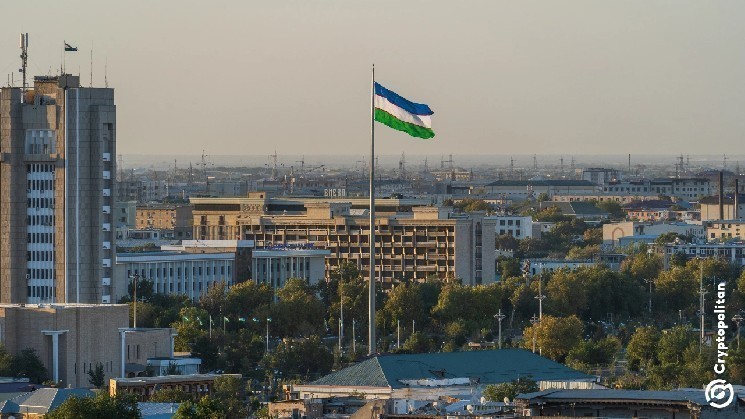
For the first time, Uzbekistan has issued a permit to mine cryptocurrencies within its territory, tapping into the region’s growing coin minting market.
The move ends months of uncertainty, the newly licensed miners said, pledging to “build the infrastructure of the future” in the country.
Uzbekistan greenlights first legal cryptocurrency mining project
The Central Asian country of Uzbekistan has issued its first cryptocurrency mining permit to a private company that will be based in southwestern Bukhara.
Mining company NexaGrid received formal approval from the National Prospective Projects Authority (NAPP) this week, local media reported late Friday.
This government agency is directly subordinate to the government of Uzbek President Shavkat Mirziyoyev and is tasked with regulating cryptocurrencies and enforcing licenses.
The company, registered in Tashkent, was founded in April 2025 with a legal capital of 600 million Uzbek Sums (approximately $50,000).
In comments cited by news outlets Spot and UZ Daily, one of the two founders, Toimrod Slutnov, stressed that his entity received permission through a transparent procedure.
In a congratulatory post on professional social network LinkedIn, the former civil servant and textile marketing analyst turned crypto entrepreneur also emphasized that:
“This is not just about Bitcoin. It’s about the courage to go where no one has gone before. It’s about months of uncertainty and the question ‘Why do we need this?’ It’s about risk, pressure, and silence when no one believes in you.”
Private company developing cryptocurrency mining in Uzbekistan
Mr. Slutnov owns 63% of Uzbekistan’s first licensed mining operation and will be responsible for the management of the company that will be established in the Lomitan region with the help of his partner Mahmuzhon Rozhimrodov, who owns 37% of the shares.
Commenting further on this positive development, the new crypto executive also said:
“NexaGrid wasn’t born out of hype. It was born out of the idea of building the infrastructure of the future here in Central Asia, a place that is generally said to be ‘too early’.”
The move is an important step for Uzbekistan, which is a late participant in Central Asia’s growing crypto mining sector and needs to catch up with neighboring countries such as Kazakhstan, Kyrgyzstan and Turkmenistan.
More than two years have passed since NAPP adopted permit issuance rules for digital currency mining in the fall of 2023. According to a report by Deputy Commissioner Vyacheslav Pak, no legal cryptocurrency farms were registered in the country for several years after that.
According to the regulations, legal entities with dedicated mining sites that comply with safety standards can apply for a license.
Businesses are encouraged to use electricity generated by their own solar installations and must install separate meters when connecting to the public grid.
Miners must thoroughly notify NAPP of all activities and submit transaction reports. Hidden mining and anonymous minting of crypto assets are strictly prohibited.
The license application must provide detailed information about the solar power plant and power supply contract, the technical specifications of the mining hardware including its energy rating, the list of cryptocurrencies to be minted and the addresses of the crypto wallets used.
Submission of incomplete data or violation of other relevant regulations may result in the application being rejected if the deficiencies are not corrected within one month after the Uzbek authorities identify them.
After a 15-day fee-free review process, the permit will be issued in the form of a digital certificate with a QR code. Licenses are valid for five years, but can be suspended for up to six months and revoked by court order in the event of a violation.
Don’t just read cryptocurrency news. Please understand. Subscribe to our newsletter. It’s free.


