

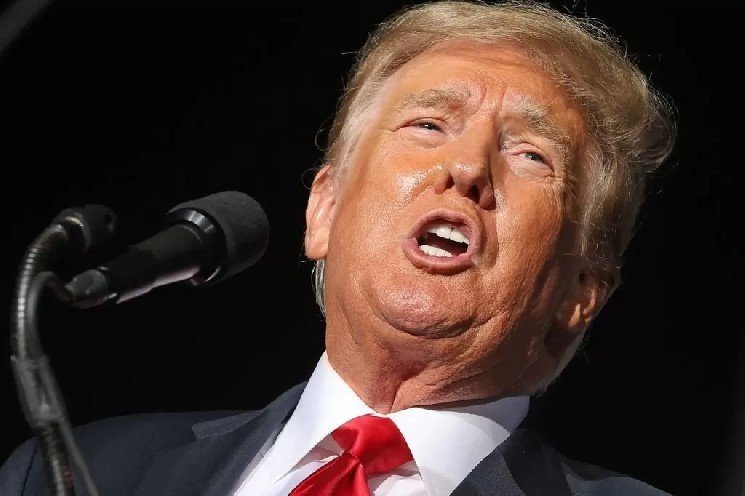
President Donald Trump floated the option of new “national security tariffs” after the U.S. Supreme Court last week overturned several previous tariffs.
The administration is working on new tariffs that could target five to six sectors, according to a person close to the White House.
New tariffs under consideration could target large batteries, cast iron and iron fittings, plastic piping systems, industrial chemicals, power grid and communications equipment. These tariffs would be implemented under Section 232 of the Trade Expansion Act of 1962, which gives the president broad powers on national security grounds.
The move comes days after the Supreme Court, in a 6-3 vote, overturned most of President Trump’s “reciprocal tariffs” under the International Emergency Economic Powers Act. The court ruled that President Trump overstepped his authority by imposing these tariffs on nearly all of the United States’ trading partners. The overturned tariffs accounted for more than half of the increase in tariff revenue generated during his second term. To make up for this loss, President Trump last week announced new 15% global tariffs that will be in effect for five months.
The new Section 232 tariffs will be implemented separately from the previously announced 15% global tariff and other tariffs planned under Section 301. So far, products under Section 232 have been exempted from other tariffs announced during President Trump’s second term. During his second term, President Trump also imposed tariffs on steel, aluminum, copper, cars, trucks, and auto parts under this provision. These tariffs were not affected by the Supreme Court’s decision.
However, it is not yet clear when the new tax under Article 232 will be formally subject to review and when it will ultimately come into effect. This section requires a thorough review process before implementing the tax. However, once tariffs go into effect, they can be changed unilaterally by the president.
“Protecting America’s national and economic security remains President Trump’s top priority, and the administration is committed to using all lawful powers to accomplish this,” White House Press Secretary Khush Desai said in a statement.
Meanwhile, the Trump administration is reportedly considering tariffs based on existing Chapter 232 investigations in nine different areas, including semiconductors, pharmaceuticals, drones, industrial robots, and polysilicon used in solar panels. Some of these investigations began about a year ago, and the Supreme Court’s ruling may accelerate the process, it said.
The administration is also preparing to change existing steel and aluminum tariffs. Planned adjustments could reduce nominal tax rates. However, its purpose is to apply the tax to the total value of the product, not just the value of the steel or aluminum contained in the product. This could mean an increase in the final tax burden for many companies.
*This is not investment advice.


