

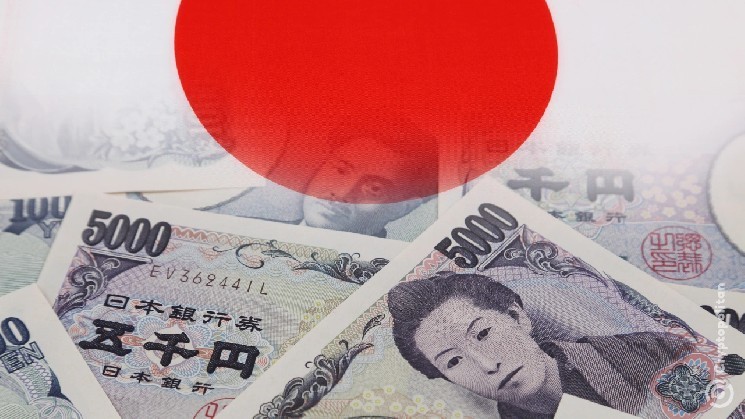
On Thursday, the Bank of Japan opted to keep monetary policy on hold and decided not to raise interest rates, citing the war that the US and Israel started in the Middle East.
Investors always fear that the Bank of Japan will raise interest rates ahead of that fateful day, August 5, 2024. So I really appreciate that they held off on raising rates and gave us some breathing room. Indeed, we already have too much on our plate.
In any case, at Japan’s monetary policy meeting, board members voted 8-1 to not change the guidelines for money market operations during the inter-meeting period.
The bank said it will continue to encourage unsecured overnight call rates to remain around 0.75%.
That did not mean that the banks had a clear picture of the economy. Although Japan’s economy is recovering at a moderate pace, there are still some weaknesses. He also said that although overseas economies are growing moderately overall, there are some weaknesses due to trade policies and other government measures in each country.
Domestically, exports and industrial production have remained roughly unchanged. Despite tariffs hurting manufacturers, corporate profits overall remain high. Capital investment continues to increase moderately.
Although rising prices are putting pressure on household budgets, personal consumption has remained fairly steady due to improvements in employment and income.
Housing investment continues to decline. Public investment has remained almost flat. The bank also said that financial conditions remain accommodative.
See also South Korea presses US for ‘mutually beneficial’ trade deal in first ministerial visit
The Bank of Japan is keeping interest rates unchanged as food prices ease and oil prices rise
Inflation conditions were mixed. The bank said the annual increase in the consumer price index, excluding fresh food, had previously exceeded 2%. Part of this was due to food costs, including soaring rice prices.
Recently, that share has fallen to around 2% as the government took measures to lessen the blow to household finances from soaring energy prices.
The central bank also said inflation expectations were rising modestly. This is important because authorities are trying to determine whether the rise in prices is broad enough to be sustainable and not just driven up by a few painful items in shopping carts.
The bank’s outlook showed why officials are not ready to pull the trigger on further rate hikes. He said Japan is likely to continue growing at a moderate pace as overseas economies return to growth and the income-to-spend cycle gradually strengthens. He linked that view to government support measures and accommodative fiscal conditions.
Still, he cautioned that jurisdictions’ trade and other policies will continue to impact their economies. Then a problem arose on top of everything else.
The bank said tensions in the Middle East have destabilized global financial and capital markets, causing oil prices to rise significantly. It is necessary to pay close attention to future developments.
As for prices, the central bank said the annual rate of increase in the CPI, excluding fresh food, is likely to slow to less than 2% for some time. He said this was natural as the effects of rising food prices, including rice, have faded and government policies aimed at curbing rising costs of living are still working through the system.
See also Trump calls on the Federal Reserve to cut interest rates completely
Thereafter, the bank expects price pressures to increase again due to the recent rise in oil prices. He also said that the pattern of wages and prices rising at the same time at a moderate pace is likely to continue.
Japan’s yen stabilizes slightly as traders wait for Kazuo Ueda to address stagflation risks
The bank also said labor shortages should become more pronounced as the economy continues to improve, and medium- to long-term inflation expectations should rise.
Under these circumstances, underlying CPI inflation is expected to rise gradually and reach a level broadly consistent with the Bank’s price stability target in the second half of the January 2026 Outlook report’s forecast period.
At the same time, he said close attention should be paid to the impact of rising oil prices on underlying inflation. So the message was very simple. Price increases may cool initially, but oil could bring them back up again.
In the foreign exchange market, the yen rose 0.1% to 159.78 yen to the dollar. This caused the stock to strengthen slightly on the day, but it remains close to its lowest level in two years.
This comes after Finance Minister Satsuki Katayama said that authorities are “increasing vigilance against volatility in the foreign exchange market” and said that recent currency movements were driven in part by speculators.


