

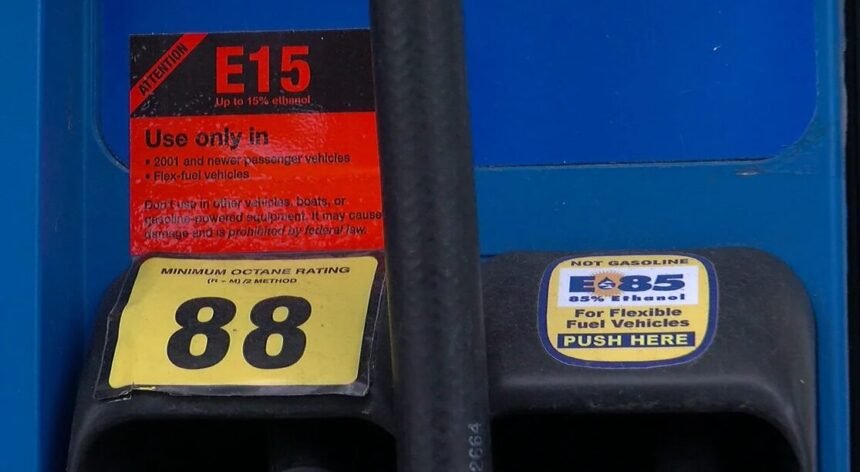
E15 gasoline moved to the center of US fuel policy this week, and it did so quickly. The Trump administration issued an EPA emergency waiver on March 25, 2026, temporarily lifting summer regulations on E15 gasoline. This measure is directly related to the Iran war and the accompanying rise in gasoline prices. As of this writing, the national average is $3.98 per gallon, up more than $1 a month. For those wondering why gas prices are rising so rapidly now, the simple answer is that the Strait of Hormuz, which has been effectively closed since the conflict began, cuts off about 20 percent of the world’s oil supply.
E15 Gasoline Prices and Gasoline Price Rise Under the Trump Administration
Why are gas prices soaring now?
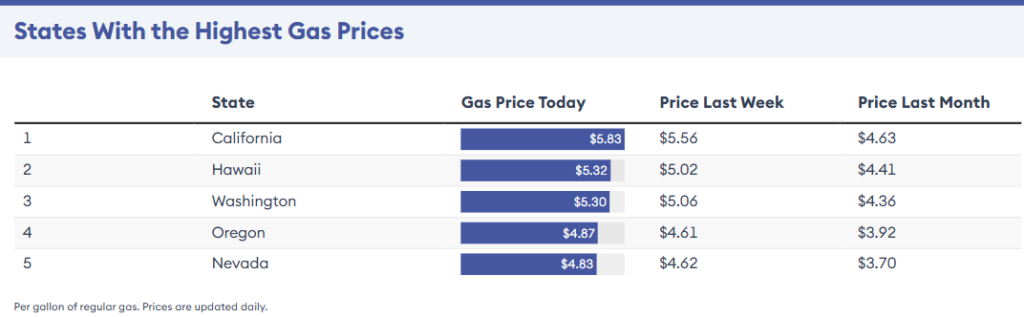
Gasoline prices have increased more than 30% since the conflict began, and diesel is now up more than 40% to $5.37 a gallon, according to AAA data. California drivers pay $5.83 per gallon, while Oklahoma and Kansas are near the bottom at about $3.27 and $3.28, respectively. The Trump administration’s response to E15 gasoline was due in part to the rapid escalation of everything: the war started, Hormuz was shut down, and gasoline prices soared within days.
E15 Gasoline Trump Exemption Actual Effects
E15 gasoline is blended with 15 percent ethanol and is usually cheaper. The Renewable Fuels Association estimates savings of 10 to 40 cents per gallon compared to standard fuel. Under the Clean Air Act, the EPA restricts the sale of E15 gasoline in about half of the country from June to September due to smog concerns. The exemption period runs from May 1 to May 20, and EPA can extend it if necessary. The agency also issued a separate exemption for the standard blend, E10. The E15 gasoline price advantage, combined with the ethanol lobby’s long-standing push to make it permanent, made this one of the administration’s easier demands.
EPA Administrator Lee Zeldin said:
“EPA’s waiver will help prevent disruption to America’s fuel supply by keeping E15 and E10 on the market and giving Americans more fuel options.”
Secretary of Agriculture Brooke Rollins said:
“President Trump is unleashing his grip on American energy, and today’s actions will directly lower pump prices and provide a clear demand signal to domestic biofuel producers.”
not a long term solution
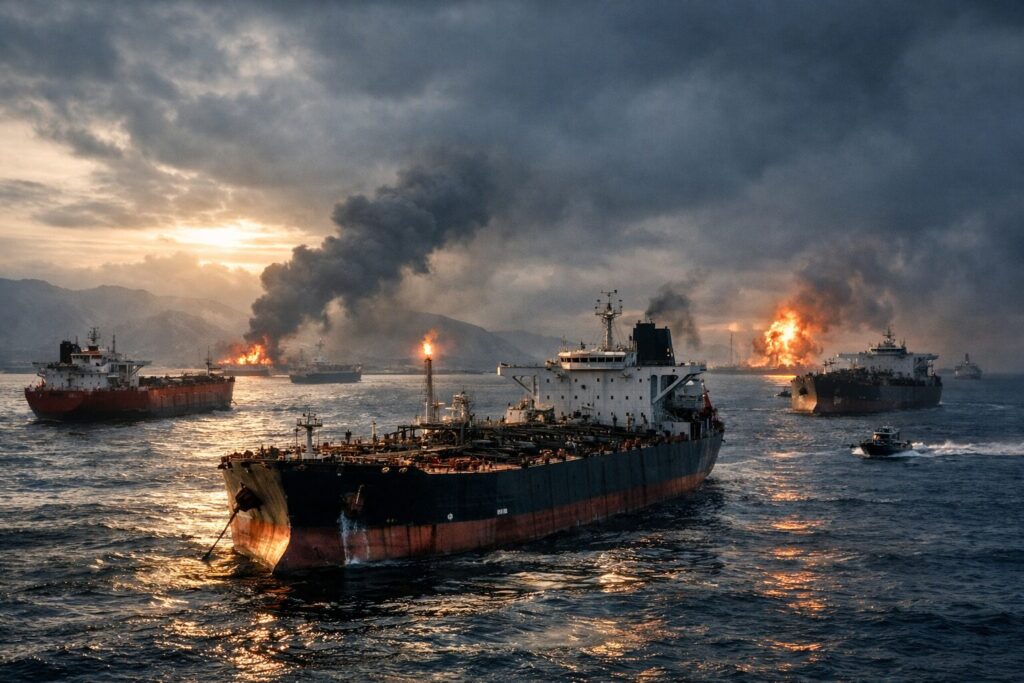
The exemption is very likely to be extended beyond May 20, as the Strait of Hormuz is still largely closed. President Trump’s E15 gasoline policy also has bipartisan support, with Minnesota Sen. Amy Klobuchar already urging the administration to take action and the Renewable Fuels Association publicly praising the move. But some lawmakers were quick to point out obvious limitations.
Sen. Deb Fischer (R-Nebraska) said:
“This is not a long-term solution, and it is long past time for Congress to make this permanent.”
Brian Jennings, chief executive officer of the American Ethanol Coalition, said:
“If there were ever a time to justify an emergency E15 exemption, it would be now, with fuel prices soaring due to the war with Iran and historic oil market disruptions in the Strait of Hormuz.”
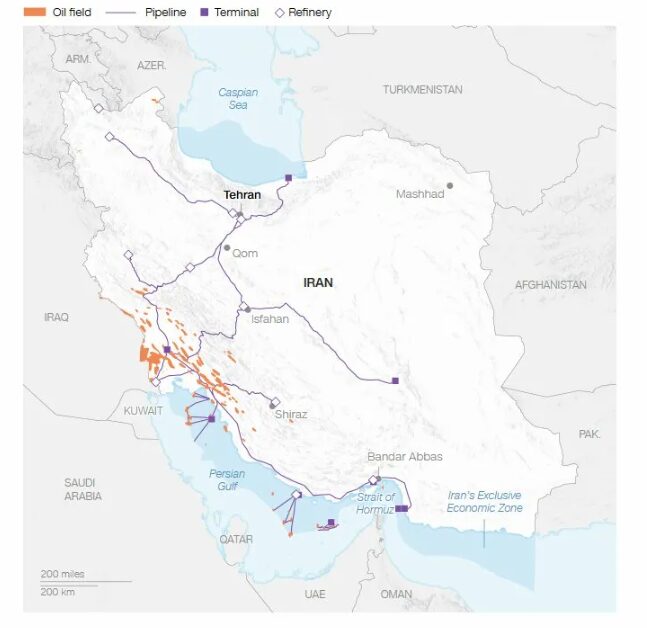
The discussion on E15 gasoline prices is going nowhere. We all understand why gas prices are soaring, but the question now is whether Congress will step in and make this fix permanent, or whether the administration will just keep issuing waivers every summer.


