

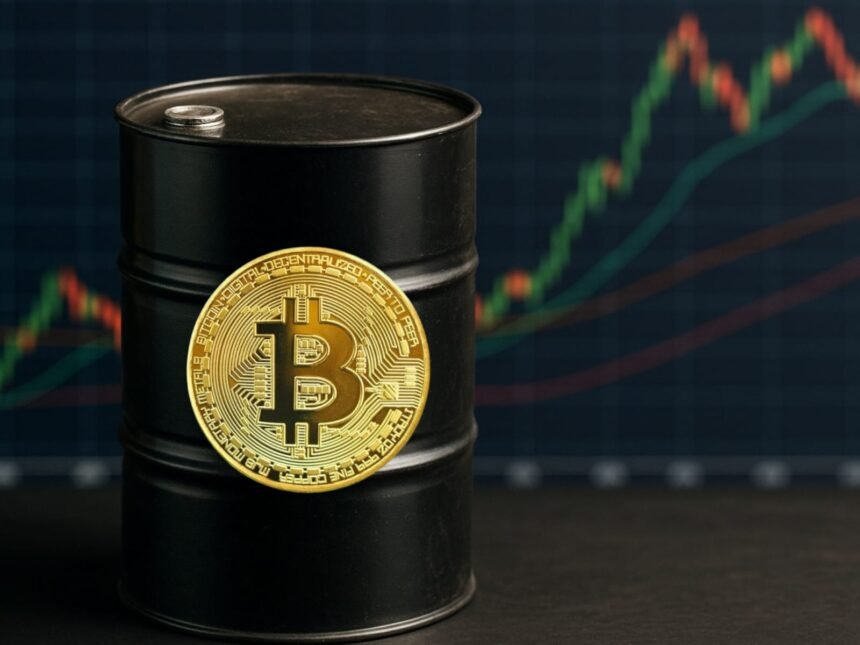
A report released by Binance Research, the research arm of cryptocurrency exchange Binance, on March 25, 2026 revealed that Bitcoin (BTC) does not maintain a significant correlation with oil prices over the long term. As such, the recent perception that the rise and fall of crude oil prices has a significant impact on the price of BTC has been called into question.
The study is based on 10 years of market data and shows that Bitcoin and cryptocurrencies act as independent asset classes driven by their own factors, providing important information for investors amidst the high geopolitical tensions affecting global energy markets.
Statistical analysis by Binance Research shows that the correlation between Bitcoin and major oil indexes such as Brent and West Texas Intermediate has consistently been near zero, with only temporary increases occurring in extreme circumstances.
However, the current scenario (considered an extreme situation) seems to be breaking that pattern. According to the report, Conflicts in the Middle East keep oil prices on a sustained upward trend While there is supply risk, Bitcoin has no clear correlation and exhibits more independent movements.
Binance says Bitcoin’s rise is due to “other factors”
For Binance, the current Bitcoin rally is primarily a response to structural changes in the investor mix and not to Bitcoin movements. merchandise. Factors such as the flow of spot Bitcoin ETFs, their integration into corporate treasuries, institutional adoption as a hedge against currency devaluation, and improvements in infrastructure and custodianship drove demand.
The analysis argues that these factors operate independently of the energy market, creating a “decoupling effect” that indicates oil prices may increase short-term volatility but do not determine Bitcoin’s fundamental direction.
On the other hand, he also said: Yes, it can impact short-term volatility Through events such as central bank responses to oil shocks and temporary adjustments in investment portfolios. However, “these correlations are temporary and represent market noise rather than establishing a long-term, durable relationship.”
Opinions are divided
Despite the information developed by Binance, it is also true that a sustained rise in oil prices could create inflationary pressures and ultimately have an indirect impact on Bitcoin, and this fact is being studied by the XWIN Research Group.
Close relationship between energy and financial policy: A long-term rise in oil prices will increase transportation and production costs, which will lead to higher inflation and ultimately cause the U.S. Federal Reserve to continue raising interest rates for a long time. This type of environment with tightened monetary policy tends to have a negative impact on Bitcoin’s value.
Given this, as long as oil prices remain strong (as of this writing, at $112 a barrel, levels not seen since 2022), the Fed is unlikely to consider cutting interest rates as the Iran war escalates. In this context, it seems unlikely that Bitcoin’s price will rise.


