

Bitcoin (BTC) is trading at around $68,600 this Tuesday, April 7, as of this writing, down just 0.4% over the past 24 hours. It’s a tense break.
The following graph shows that Bitcoin price trends over the past 7 days:
The market awaits the deadline scheduled for Wednesday at 8pm Washington time. President Donald Trump issues ultimatum to Iran to reopen Strait of Hormuz Otherwise, you will face a massive attack on your infrastructure.
Price indecision reflects a market caught between competing forces. April has historically been a quiet month for Bitcoin, with a seasonal pattern that could push the asset closer to $75,000 if historical averages are replicated. However, this trend is in direct conflict with the geopolitical scenario that dominates the global agenda.
Sea routes that paralyze the market
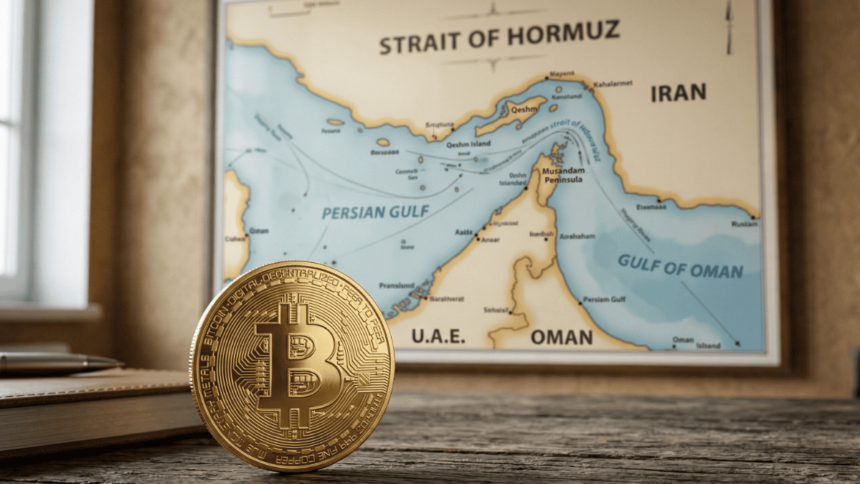
The heart of the conflict is the Strait of Hormuz. Iran has blocked it since the US and Israel started the war on February 28, and its closure has a direct impact on the global economy. As CriptoNoticias explained, approximately 20% of the world’s crude oil and natural gas supplies pass through this stage.
When the lock is enabled, Oil prices are rising rapidly: Brent crude is around $109 per barrelhas accumulated an increase of nearly 50% since the start of the conflict.
That inflationary pressure is weighing on Bitcoin. Investors who were supposed to seek refuge in alternative assets remain unconvinced as runaway oil prices accelerate inflation, tighten interest rate expectations and reduce appetite for risk assets.
Iran arrived this Tuesday in a defiant posture. According to Reuters, the Iranian government has rejected a U.S. proposal for an immediate ceasefire brokered by Pakistan, followed by broader negotiations within 15 to 20 days.
On Monday, April 6, President Trump was forceful. He vowed to destroy Iranian power plants and bridges if Iran did not capitulate by the deadline, warning that “the entire country could be defeated overnight.” Iran’s military high command called the president “delusional” and Iranian officials called on young people, artists and athletes to form a human chain around the power plant in protest.
still, There are vague signs. Iran’s ambassador to Pakistan said Islamabad’s mediation efforts were at a “very important and delicate stage,” which some have read as a trigger. In addition, as a result of diplomatic efforts from Kuala Lumpur, Iran allowed Malaysian merchant vessels to pass through the strait, a small gesture that did not go unnoticed.
Two scenarios for Bitcoin
If negotiations fail and the US proceeds with a major attack, geopolitical uncertainty could push oil prices above $120 and Bitcoin could seek support at lower prices than it currently is. 60,000 would be the first barrier. And analyst Willy Wu predicts the price could be around $50,000.
If a deal is reached instead and the Strait of Hormuz reopens, Bitcoin could quickly regain more than $70,000 as oil falls toward $80-$90, releasing inflationary pressures.
We’ll find out over the next few hours. meanwhile, Bitcoin can rise or fall depending on evolving global macroeconomic and political conditions.


