

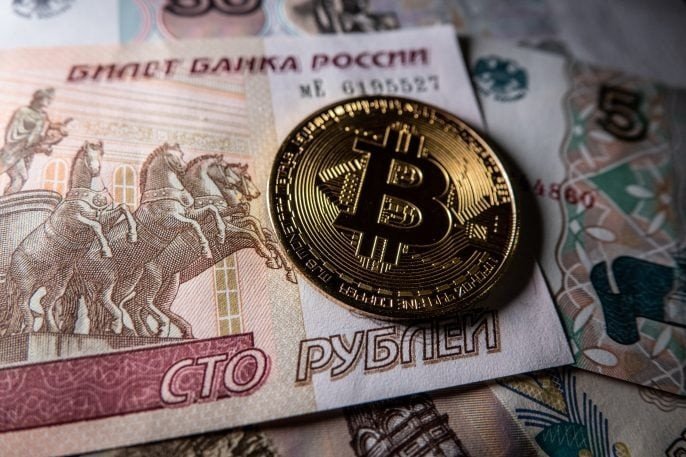
On May 11, the UK government added 85 new designations to its Russia sanctions list, targeting entities and individuals linked to ongoing Russian military operations in Ukraine. With this latest batch, the UK has issued a total of more than 3,045 designations since Russia’s full-scale invasion of Ukraine began in February 2022.
Latest package contents
The 85 new designations cover a variety of entities and individuals connected to Russia’s war machine. There are no cancellations or delistings associated with this announcement, meaning it is purely additive. The focus continues to be on traditional sectors such as energy, finance and manufacturing. The newly designated targets do not appear to be crypto-native companies or digital asset platforms.
Why crypto companies should pay attention
As of May 1, 2026, UK regulators formally mandated that crypto companies comply with sanctions. Earlier this year, in January 2026, the Office of Financial Sanctions Enforcement (OFSI) raised specific concerns that crypto assets were being used to hide illicit funds related to sanctions violations.
The compliance obligations, which came into force on May 1, tell all UK-registered crypto exchanges and service providers that “if a sanctioned entity contacts your platform, that’s your problem.” Fines are not the only cost if you get it wrong. You may be subject to criminal charges.
Market ripple effect
This latest sanctions package did not cause any immediately observable price movements in the major tokens. Analysts estimate that trading volumes could fall by 5-7%, potentially hurting cryptocurrency platforms with exposure to Russian users or operations, especially if future rounds of sanctions start directly targeting digital asset entities.
There’s also the DeFi angle. As centralized platforms face increased compliance burdens, some analysts predict that authorized actors will move to decentralized protocols with minimal or non-existent KYC requirements, potentially creating instability in pools and lending protocols.
The UK approach also sets a template that other jurisdictions tend to follow. The EU introduced strict measures in April 2026 to restrict access to Russian cryptographic services, demonstrating a united front by Western countries to isolate Russia economically and prevent potential sanctions evasion through digital assets.


