

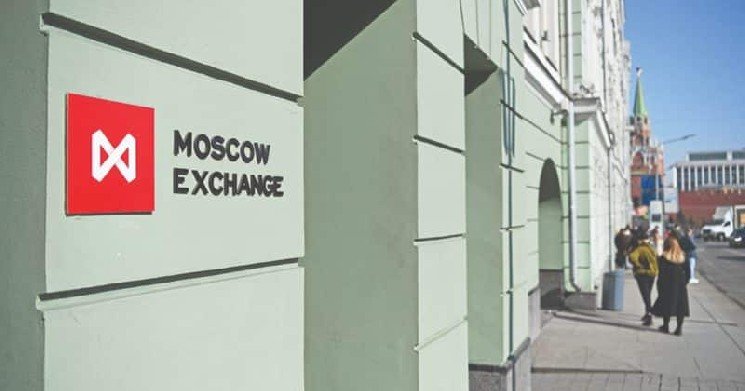
Russia’s largest stock exchange, the Moscow Exchange (MOEX), is exploring the possibility of launching 24-hour cryptocurrency trading as the platform moves deeper into digital assets, RBC Investments reported, citing securities industry sources.
According to reports, MOEX is holding discussions with brokers regarding the nature of virtual currency trading. The talks focused on business hours, account structure and deposit mechanisms.
The exchange hopes to operate 24 hours a day, keeping pace with the world’s crypto exchanges.
MOEX is also reportedly exploring the infrastructure for a cryptocurrency-only account and has started testing cryptocurrency deposits and withdrawals with a limited number of brokers. One financial market source told RBC that the company’s digital vault will likely mirror Russia’s State Settlement Depository, meaning users will not directly hold wallets on the exchange itself.
In a statement to reporters, the Moscow Exchange said it was “actively developing solutions” to serve the crypto market.
This week, MOEX announced four new crypto indexes linked to XRP, BNB, Solana, and TRON.
The launch increases MOEX’s total number of crypto benchmarks to six, complementing the platform’s existing Bitcoin and Ethereum indexes. The exchange said it plans to eventually expand the scope to 10 digital assets.
This index is designed to lay the foundation for future cryptocurrency-linked financial products. Benchmark-linked futures are expected to be launched in the second half of 2026 and will initially be limited to accredited investors under Russian financial regulations.
The expansion comes as Russia prepares to introduce a new cryptocurrency regulatory framework that will allow digital asset trading through licensed brokers and intermediaries.
The proposal, titled “Digital Currency and Digital Rights,” passed its first reading in the State Duma last month. The law is scheduled to come into effect on July 1st.
The bill also introduces frankly brutal listing requirements. In order for a crypto asset to be traded on a Russian exchange, it must have an average market capitalization of more than 5 trillion rubles over a two-year period, an average daily trading volume of more than 1 trillion rubles over the same period, and a track record of at least five years.


