

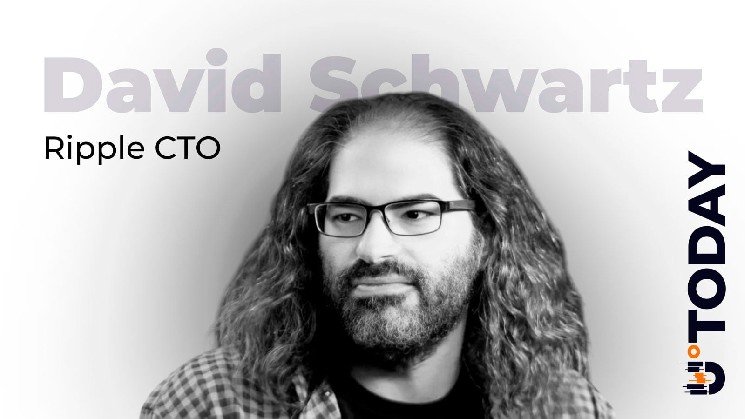
With Ripple’s recent series of big deals bringing IPO talk back to the market and more investors looking to get pre-IPO exposure through secondary brokers, Ripple CTO David Schwartz stepped in with a reality check and listed six issues shaping private equity buying today. Not because it’s tied to Ripple, but because these problems emerge whenever enthusiasm precedes the actual mechanics of a secondary market.
First, there is the issue of pricing, with secondary brokers often providing solid-looking quotes based on partial or unreliable data. This means that buyers go into negotiations without knowing whether the “market price” offered has any basis in reality.
In the end, only the buyer controls the numbers, because the higher the price, the more the broker makes, and the seller wants the same. This turns simple trading into a slow and biased process.
(This is in no way Ripple-specific and is in no way intended to encourage or discourage buying or selling Ripple stock on the secondary market.)
There are some serious issues when purchasing private company stock through the secondary market…
— David ‘JoelKatz’ Schwartz (@JoelKatz) December 10, 2025
Schwartz also cited the digital divide, as private companies don’t publish anything like public market disclosures, giving buyers little visibility.
Insiders, on the other hand, typically have more knowledge and sit on the other side of the transaction, although they are often the ones selling. This creates a situation where buyers are always on their heels.
Execution is also important
The complication is that ROFR procedures, corporate approvals, and administrative delays can drag out transactions for weeks. This forces buyers to wait until surrounding market conditions change. And when you add in fees (5% for buyers and 5% for sellers included in the buyer’s final cost), it’s no longer a shortcut to an IPO.
It will be a long and expensive detour, and getting excited won’t make things any easier.


