

Nvidia (NASDAQ: NVDA) insiders sold more than $1 billion worth of the company’s stock in 2025, capitalizing on the chipmaker’s sustained rally driven by advances in artificial intelligence (AI).
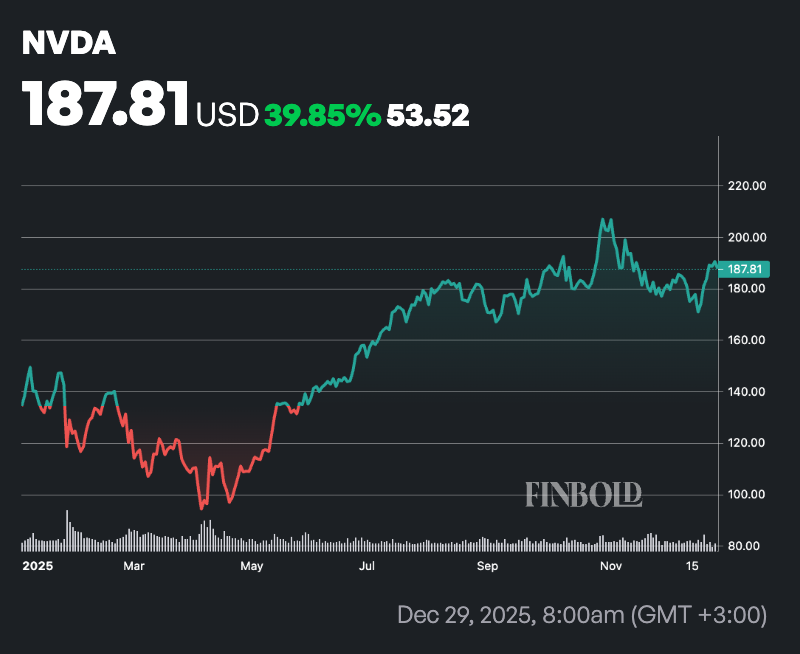
Notably, through 2025, the stock has increased over 52% since the beginning of the year, trading at $190 at the last market close.
Regulatory filings show consistent selling by executives and board members throughout the year, with no reported insider purchases.
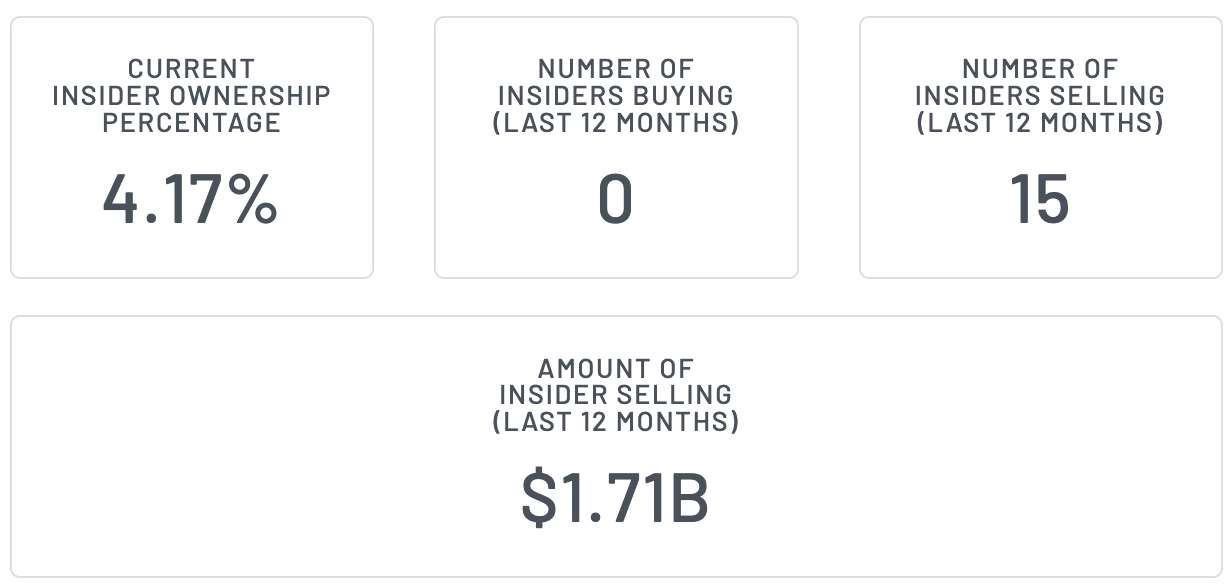
In the last 12 months, NVIDIA’s insider ownership amounted to around 4.17%, with 15 insiders selling and none buying shares. Total insider sales totaled approximately $1.7 billion as of Dec. 29, according to Finbold data obtained from . market beat.
Biggest insider sellers of Nvidia stock
The biggest and most consistent seller was CEO Jensen Huang. Throughout 2025, Mr. Huang executed a series of sales pursuant to a pre-arranged Rule 10b5-1 trading plan.
For example, in early July, it sold just over 205,000 shares worth about $36 million. The activity continued into September, when he disposed of about 225,000 shares worth about $40 million, followed by similar-sized trades in October.
Other directors also took advantage of the rise in stock prices. In September, board member Harvey Jones sold about 250,000 shares of Nvidia stock worth about $44 million.
Towards the end of the year, director Mark Stevens revealed he had sold more than 220,000 shares worth about $40 million, and the company’s chief accounting officer sold millions of dollars worth of stock in December.
The wave of selling comes at a time when Nvidia’s market capitalization has ballooned to more than $4 trillion on explosive demand, and its revenue growth and profit margins far outpace much of the semiconductor industry, helping to justify its premium valuation. Against this backdrop, insider sales have primarily been viewed as a diversification move rather than a sign of deteriorating fundamentals.
Impact of NVDA stock insider sale
However, the lack of insider buying coupled with heavy selling may have an impact on investor sentiment.
Large visible sales could increase near-term volatility, especially if broader market conditions weaken or expectations regarding AI spending are moderate.
While the pre-scheduled trading plan limits the informational value of individual trades, the size of the total offering could weigh on confidence if Nvidia’s growth trajectory shows signs of slowing.
Featured image via Shutterstock


