

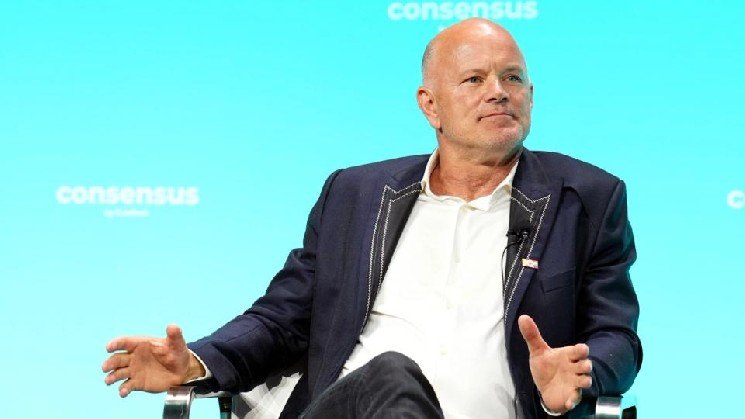
Galaxy Digital (GLXY) founder and CEO Mike Novogratz highlighted the company’s significant milestone in its 2025 annual report, becoming the first Nasdaq-listed company to file for a 10K.
Novogratz described the listing as more than just a milestone, calling it “a declaration that the digital economy is real and that Galaxy is built to lead in it.”
Over the years, Galaxy has evolved from a pure digital asset company to a diverse platform that includes asset management, institutional trading, and AI-driven high-performance computing data centers.
Novogratz noted that the digital asset economy has evolved from a speculative, niche market to a mainstream industry, with even the United States now having Bitcoin on its balance sheet, something that would have been unthinkable 10 years ago.
The company’s biggest growth tailwinds are its artificial intelligence and high-performance computing strategy and Helios, the company’s AI data center campus in West Texas. The site has more than 1.6 gigawatts of approved power capacity through ERCOT.
The first 800 megawatts have already been leased to AI cloud provider CoreWeave (CRWV), with a capital investment of more than $7.5 billion. With an additional 830 megawatts of expansion approved, Helios is now worth well over $15 billion, according to the report.
Novogratz’s long-term goal is to build a multi-billion dollar portfolio of digital infrastructure assets distributed across geographies, tenants and technologies. “Demand for computing is not a cycle, but a structural condition that will determine the next decade.”
In terms of digital assets, Galaxy manages approximately $12.3 billion in platform assets as of December 31, 2025. Its services include over-the-counter spot and derivatives trading, lending, staking across 11 blockchains including Ethereum and Solana, ETFs, and institutional-grade custody.
The company expanded into retail in October 2025 with GalaxyOne, a fintech platform that offers FDIC-insured high-yield accounts, commission-free trading in stocks and cryptocurrencies, and the option to automatically reinvest interest back into Bitcoin.
Despite the industry downturn in the fourth quarter of 2025, the company posted a net loss of $241 million. Novogratz remains optimistic, saying the company is “more clear-eyed than ever about our opportunities.”


