

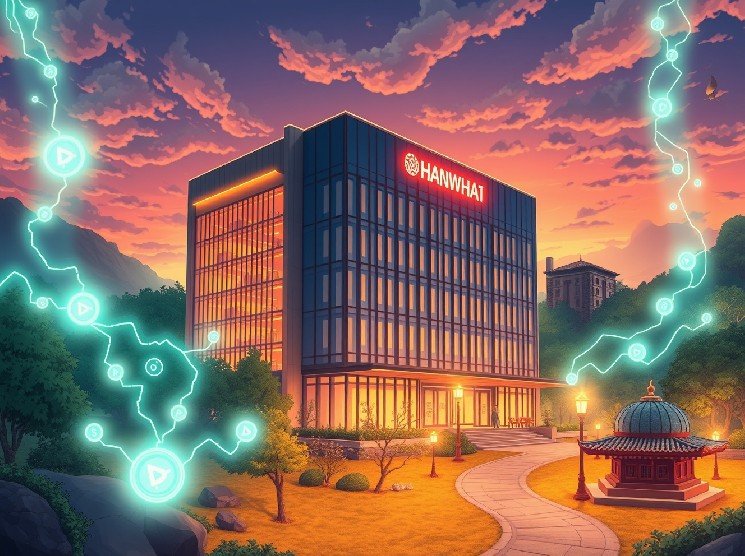
In a groundbreaking development in the adoption of cryptocurrencies by institutional investors, Hanwha Asset Management has forged a strategic partnership with Solana Foundation, marking a major shift in traditional finance’s approach to blockchain technology. The partnership, announced in Seoul on March 15, 2025, represents one of South Korea’s most substantial institutional moves into the digital asset field. This MoU establishes a comprehensive framework for ecosystem expansion that has the potential to reshape the way traditional investors access blockchain-based financial products.
Hanwha Asset Management Solana Partnership Details
The partnership between Hanwha Asset Management and Solana Foundation includes three major initiatives that will be rolled out over the coming months. First, each organization will develop educational programs about Solana’s development tools and broader ecosystem. These programs are specifically targeted at financial professionals looking to understand blockchain infrastructure. Second, the partnership includes plans to launch a co-listed product that will provide regulated exposure to Solana’s network. Third, partners will issue guidelines for comprehensive custody solutions that address security concerns that have previously prevented institutions from participating.
The agreement follows Hanwha’s gradual exploration of digital assets throughout 2024. The asset manager previously launched several crypto-related funds while closely monitoring regulatory developments. Meanwhile, the Solana Foundation recognizes that traditional financial integration is the next growth stage for blockchain networks and has been actively promoting institutional collaboration since 2023. Industry analysts note that this partnership is consistent with South Korea’s progressive digital asset framework, which has evolved significantly since its initial regulatory uncertainty.
Institutional blockchain adoption is accelerating
Traditional financial institutions are increasingly recognizing the transformative potential of blockchain technology. Partnerships like this Hanwha-Solana agreement therefore represent a broader trend rather than an isolated event. The world’s largest asset managers have allocated about $150 billion to digital asset products since 2023, according to data from Bloomberg Intelligence. This institutional move responds to customer demand for exposure to cryptocurrencies within a regulated framework. Additionally, blockchain networks like Solana that offer high throughput and low transaction costs are particularly attractive to financial applications that require efficiency.
The educational component of this partnership addresses knowledge gaps that are significant barriers to adoption in educational institutions. Many traditional financial professionals have limited understanding of how blockchain works, despite growing interest in digital assets. Hanwha and Solana Foundation will develop certification programs and technical workshops covering smart contract development, network architecture, and security protocols. These educational initiatives will launch in Q3 2025 and will initially target Hanwha’s internal teams before expanding to external financial professionals across Asia.
Evolution of exchange-traded products
The products traded on the exchange represent the most direct result of this collaboration. Hanwha Asset Management plans to launch Korea’s first Solana-focused ETP by the end of the year, pending regulatory approval from the Financial Services Commission. These products provide investors with a familiar, regulated vehicle for Solana exposure without the need for direct custody of cryptocurrencies. The partnership will determine the specific product structure in the coming months, taking into account factors such as the underlying asset mix and rebalancing mechanism.
According to data from CoinShares, as of early 2025, crypto ETP assets under management have reached approximately $85 billion worldwide. Korean investors have shown particular enthusiasm for digital asset products, with the country’s cryptocurrency exchange trading volume consistently ranking among the highest in the world. This initiative by Hanwha and Solana follows similar institutional moves by BlackRock, Fidelity, and Franklin Templeton, and represents one of Asia’s most significant traditional financial entries into blockchain-based financial products.
Custody solutions and security frameworks
Institutional adoption requires a robust security framework, and custody solutions will be a priority for partnerships. Hanwha and Solana Foundation plan to issue comprehensive custody guidelines that address institutional requirements for digital asset protection. These guidelines cover technical specifications, regulatory compliance considerations, and risk management protocols. In this paper, we propose blockchain-specific adaptations for institutional custody scenarios with reference to existing financial regulations.
The custody landscape has evolved significantly since the early days of cryptocurrencies, when security concerns dominated institutional hesitation. Qualified custodians now offer insured solutions with regulatory compliance frameworks. However, blockchain networks like Solana have unique technical considerations regarding key management and transaction signing. The partnership’s custody guidelines will address these technical details in time for the implementation of Korea’s Digital Asset Basic Act, expected in late 2025.
This partnership comes amid South Korea’s evolving regulatory environment. Congress passed a comprehensive digital asset law in 2024, establishing clearer guidelines for institutional participation. As a result, traditional financial companies are now operating with increased regulatory certainty when considering blockchain integration. The Financial Services Commission has approved several digital asset management licenses since late 2024, demonstrating regulatory openness to innovation while maintaining investor protection standards.
Impact on the market and implications for the future
Hanwha and Solana’s partnership has the potential to impact broader market trends beyond the immediate scope of the partnership. First, other Korean financial institutions may also accelerate their blockchain efforts following this announcement. Second, blockchain networks may intensify efforts to attract traditional financial partners, potentially increasing competition among layer 1 protocols. Third, as institutional participation demonstrates the financial applications of blockchain technology, regulators may develop more nuanced frameworks.
Solana’s technical characteristics make it particularly suitable for financial applications that require high transaction throughput. The network processes approximately 2,000 transactions per second with sub-second finality, significantly outperforming many competing blockchains. These performance metrics are attractive to institutions developing products that require payment efficiency. Additionally, Solana’s development ecosystem has been rapidly expanding since 2023, with over 2,500 active developers building applications across decentralized finance, payments, and digital identity sectors every month.
Hanwha Asset Management manages approximately $500 billion in assets and is South Korea’s second largest asset management company. The company’s digital asset strategy has evolved in stages, starting with cryptocurrency research in 2022 and moving toward fund launch in 2023. This partnership with Solana Foundation represents Hanwha’s most substantial blockchain effort to date. Industry sources said the asset manager is likely to allocate additional resources to its digital assets division following the deal, potentially expanding its blockchain team by 30% within 12 months.
Regional blockchain development context
Asia is the fastest growing region for blockchain adoption globally, with South Korea positioning itself as a technological leader. The country’s advanced digital infrastructure and technology-savvy population create favorable conditions for blockchain integration. Furthermore, Korean policymakers have embraced digital innovation while taking appropriate safeguards. This balanced approach has attracted blockchain development talent and investment capital to the technology districts of Seoul and Busan.
The partnership timeline suggests a gradual introduction of the product rather than an immediate product launch. The education program will begin in the third quarter of 2025, followed by the publication of safeguarding guidelines in the fourth quarter. Development of the exchange-traded product will proceed throughout 2025 and could be launched in early 2026, depending on regulatory approval timelines. This phased approach allows both organizations to address technical complexity while ensuring regulatory compliance at each stage of implementation.
conclusion
Hanwha Asset Management’s partnership with Solana marks an important milestone in blockchain adoption by institutional investors, especially in Asia’s rapidly evolving digital asset landscape. The partnership will address significant barriers to traditional financial participation through educational initiatives, regulated product development, and the establishment of a security framework. As institutional interest in blockchain technology accelerates globally, partnerships like this agreement between Hanwha and Solana are likely to become increasingly common. The success of this initiative could influence how traditional asset managers around the world approach digital asset integration, while demonstrating practical financial applications of blockchain technology beyond speculative trading.
FAQ
Q1: What exactly does Hanwha and Solana’s partnership involve?
The partnership includes three key elements: education programs on Solana’s tools and ecosystem, development of Solana-based exchange traded products, and publication of custody solution guidelines for institutional investors.
Q2: Why is this partnership important for institutional cryptocurrency adoption?
This represents one of South Korea’s largest traditional finance entries into blockchain, marking growing acceptance by institutions and creating a blueprint for regulated digital asset products that other companies may follow.
Q3: When will products from this partnership be available?
The education program will begin in Q3 2025, storage guidelines will be published in Q4 2025, and listed products could be launched in early 2026, pending regulatory approval.
Q4: How is Solana’s technology attractive to institutional investors?
Solana provides high transaction throughput (approximately 2,000 TPS) with sub-second finality, making it suitable for financial applications that require efficiency and a growing ecosystem of developers building diverse applications.
Q5: What kind of regulatory environment exists for this partnership in South Korea?
South Korea passed a comprehensive digital asset law in 2024, providing clearer guidelines for institutional investors to participate, and the Financial Services Commission approved several digital asset management licenses from late 2024 onwards.
Disclaimer: The information provided does not constitute trading advice. Bitcoinworld.co.in takes no responsibility for investments made based on the information provided on this page. We strongly recommend independent research and consultation with qualified professionals before making any investment decisions.


