

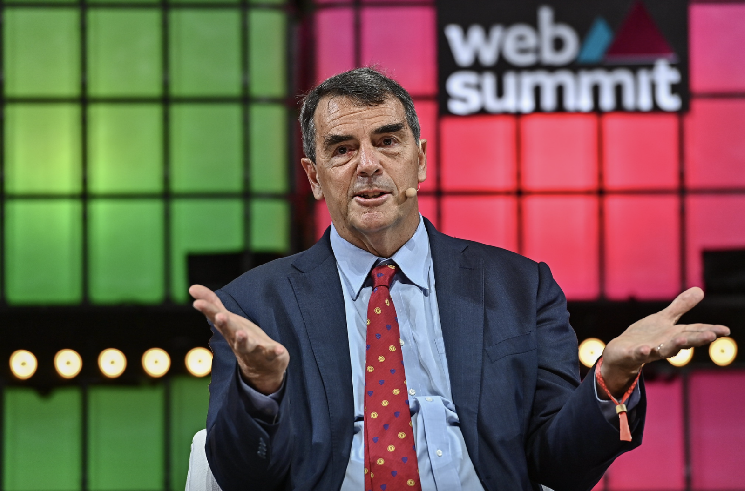
Venture capitalist Tim Draper disrespected The potential threat quantum computing poses to Bitcoin. He said traditional fiat systems and banks face far greater and more immediate risks.
Will banks fail first?
The billionaire investor said his Bitcoin holdings are “safer” than fiat currencies held at traditional banking institutions.
Draper predicted that quantum will hack banks long before they touch blockchain. ”
He further claimed that the Bitcoin network could undergo a hard fork to roll back to the last safe block.
While this is technically possible, this extreme measure would require extensive agreement between miners and node operators.
A journey of lasting optimism
Draper’s Bitcoin journey began when Bitcoin was trading at around $4, but issues with hardware manufacturers delayed actual mining until the price hit $30. He later lost all his money in the infamous Mt Gox exchange collapse. Mr. Draper was unfazed, and in 2014 he famously bought some 30,000 bitcoins seized at a federal marshal auction for about $632 each.
Draper has been vocal about Bitcoin overtaking the US dollar. He envisions a future where taxes are handled through smart contracts and businesses manage their finances entirely in Bitcoin.
Prediction of the elusive $250,000
Draper is widely known for his persistent and frequently repeated prediction that Bitcoin will reach $250,000. He originally predicted in 2018 that the target date was 2022, arguing that mass adoption would cause a price explosion. When the 2022 bear market and FTX collapse threw that timeline out of whack, Draper blamed “heavy-handed” U.S. regulation for stifling innovation and extended the goal to 2025.
As of early 2026, Draper predicts it will double again and reach $250,000 within the next 18 months.
quantum threat
Despite Draper’s confidence, technical debate remains deeply divided over the current state of quantum risks facing Bitcoin. A March 2026 white paper by Google Quantum AI concludes that the estimated barrier to entry has been significantly lowered, with fewer than 500,000 physical qubits needed to crack ECDSA-256, which is 20 times lower than the 2019 estimate.
Proposals like BIP 360 (Pay-to-Merkle-Root) are being introduced to create quantum-resistant address formats.


