

Disclaimer: The views expressed in this article do not necessarily represent the views of BSCNews. The information provided in this article is for educational and informational purposes only and should not be construed as investment advice. BSCNews assumes no responsibility for investment decisions made based on the information provided in this article.
Tokenization has a story that defines digital assets. Almost every asset class, from real estate and private credit to commodities and infrastructure, is being touted as the next frontier for blockchain. As institutional interest accelerates, the discussion is moving beyond whether assets can be tokenized to how they can be managed. McKinsey claim Tokenized financial assets are moving from pilot projects to large-scale implementation, with financial institutions increasingly turning to blockchain as a new layer of useful infrastructure (rather than a replacement for established asset management expertise).
However, as the market matures, fundamental questions emerge about who will control the assets being tokenized. The answer for many projects is: unclear. Some companies tokenize their exposure to assets that they do not own or operate, relying on third-party administrators, external custodians, or licensing agreements to support their value proposition. While that model may have been sufficient in the early days of cryptocurrencies, it introduces multiple layers of risk when investors seek certainty.
A real-world asset (RWA) is only as strong as the company that manages it. Tokens can represent fractional ownership, future cash flows, or governance rights, but they cannot replace expertise or due diligence. The underlying assets may be apartment buildings, renewable energy projects, cargo ships, etc., but someone still needs to maintain them, make them profitable, comply with regulations, and manage risks. Without an expert team behind tokenization, investors end up betting on the intermediary rather than the underlying asset.
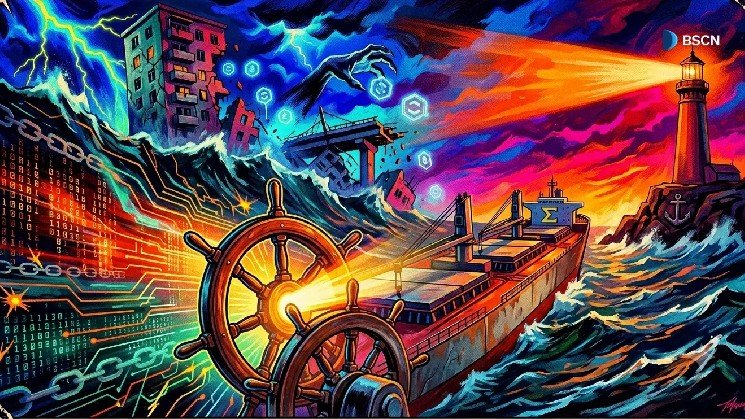
This is especially true for assets that require consistent operational monitoring. For example, commercial shipping is more than just owning ships. Operators must negotiate charter contracts, manage crews, oversee maintenance, meet insurance and regulatory requirements, and respond to a changing cargo market. While blockchain can improve transparency around ownership and payments, it cannot replace decades of maritime expertise. The point is, you can’t just chain it up and expect it to generate revenue. If you don’t, you’ll be throwing money into a sinking ship.
The operations-first paradigm is a platform differentiator that: Etra ship. The company is backed by Ethra Invest, which has been sourcing, acquiring and managing dry bulk vessels through structured investment vehicles since 2021. Blockchain infrastructure emerged a few years later, and operational operations and track records were already established. Ethra Ship combines permissionless governance and utility tokens with a separate regulated investment layer. In other words, investors real charter income. This distinguishes the crypto-native ecosystem from the regulated asset layer.
This structure reflects what’s happening with tokenization as a whole. In addition to the quality of the operator, investors evaluating tokenized assets are also scrutinizing the blockchain infrastructure. Companies that lead the field follow that strategy. black rock BUIDL Fund has brought one of the world’s largest asset managers into tokenized finance by putting existing regulated investment products on-chain. Hamilton Lane uses tokenization to expand access We provide private market funds built on 30 years of investment management expertise. In both cases, blockchain enhances distribution and accessibility, but I don’t Replaces the operational functionality behind the underlying assets. Ethra Ship employs a similar philosophy, based on many years of experience in acquiring and managing dry bulk vessels. in front Introducing a tokenized participation layer.
As more capital flows into RWA, successful projects will emerge that demonstrate true operational management. While blockchain can improve liquidity, transparency, and accessibility, it cannot and cannot compensate for poor real-world execution. The next stage of tokenization will reward platforms that combine innovation with expertise in the industries in which they operate.


