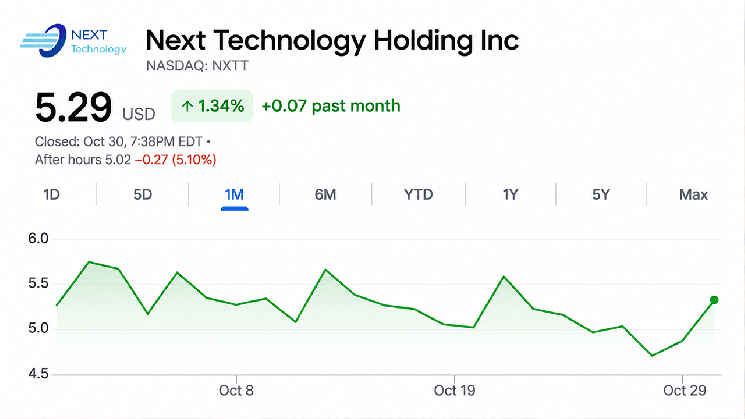

The authorization doesn’t mean all 5,833 coins are headed for the exits. Management can sell bitcoin through exchanges, arrange private block trades or pledge the assets as collateral for financing. The board handed its CEO authority over transaction timing, pricing and volume. No completed sale was disclosed in the announcement.
Binance Incident Jolts Corporate Bitcoin Strategy
The board’s decision followed its examination of Binance’s recent security incident, which has raised questions about cryptocurrency custody and exchange defenses. Next Technology emphasized that none of its bitcoin was held through Binance, making its response particularly noteworthy. The company wasn’t reporting a direct loss. Instead, it was reconsidering the risks of owning a substantial cryptocurrency treasury.
The board cited international hacking campaigns, exchange vulnerabilities, and emerging technological threats, including quantum computing, as reasons to reduce exposure and improve liquidity. For a corporate treasury that treats bitcoin as a financial asset, the concern extends beyond whether its own wallets have been compromised. Security failures elsewhere can influence market prices, institutional confidence, and liquidity.
AI Attacks and Quantum Computing Raise the Stakes
The security debate arises as AI-assisted fraud and quantum computing research introduce different challenges for cryptocurrency holders. AI-powered impersonation, deepfake communications and automated social engineering are making attacks against cryptocurrency businesses more sophisticated.
TRM Labs’ reporting found that the use of large language models (LLMs) in scams increased fivefold in 2025. Attackers have increasingly targeted employees, devices and operational controls rather than attempting to defeat blockchain cryptography directly. Quantum computing presents a different problem. No existing quantum computer can break Bitcoin’s signature cryptography, but researchers are investigating how future machines might derive private keys from exposed public keys.
That risk remains prospective, not an active compromise of Bitcoin. Nevertheless, it has entered corporate discussions about the security of long-term digital asset holdings.
Selling Bitcoin or Borrowing Against It?
Next Technology’s announcement leaves considerable room for maneuvering. Pledging bitcoin for financing would allow the company to obtain liquidity without necessarily disposing of its holdings, although collateral arrangements introduce their own financial risks. Outright sales, meanwhile, would reduce its direct exposure to bitcoin price movements.
The company cautioned that there is no guarantee regarding the timing, size or completion of any transaction. “The resolutions approve the sale or pledging of the company’s bitcoin holdings in one or more tranches commencing on the effective date of the consent,” Next Technology’s release explains.
For now, its board has approved the exit doors without requiring management to walk through them. The bigger question is whether other corporate bitcoin holders will interpret security threats as reasons to reconsider their own treasury strategies.


