

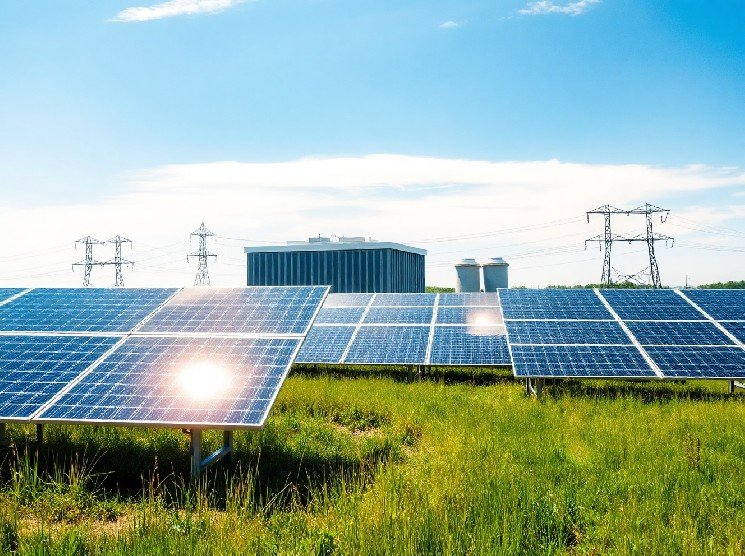
Jihan Wu, founder of Bitmain and Bitdeer, has proposed a novel solution to one of Europe’s growing energy problems. The idea is to use Bitcoin mining operations to absorb excess solar power generation. In a post on his X account, Wu claimed that the rapid expansion of solar energy across the continent has created a severe imbalance between supply and grid capacity, leading to power wastage and hurting the profitability of renewable energy producers.
Solar cannibalism problem in Europe
Europe has seen a surge in solar panel installations over the past decade due to ambitious climate change goals and falling hardware costs. However, this growth is outpacing the power grid’s ability to adapt. During peak solar power periods, solar farms often generate more electricity than the grid can handle, forcing operators to cut production or sell it at negative prices. This phenomenon, known as solar cannibalism, undermines the economic viability of new projects and slows the transition to cleaner energy.
Wu said the situation has reached a critical level, noting that battery storage, grid expansion and demand response programs are essential long-term solutions, but have not yet been deployed at the scale needed. He suggested that Bitcoin miners, which require large amounts of continuous and flexible electricity, could act as instant buyers of this surplus power.
Flexible demand solution
Bitcoin mining operations are very good at absorbing surplus energy because they can be turned on and off quickly, increasing consumption when electricity is plentiful and cheap, and stopping when demand spikes or prices rise. This flexibility is in contrast to most industrial consumers who require a stable and predictable power source. Wu argued that well-designed flexible electricity demand can act as the ultimate buyer of surplus renewable energy, stabilizing the market and improving profits for solar power plant operators.
This proposal is in line with a growing body of research and pilot projects exploring the use of Bitcoin mining as a grid balancing tool. In Texas, for example, miners are participating in a demand response program to reduce consumption during peak heat waves and reduce stress on the power grid. In Europe, a similar model could help integrate a higher share of variable renewable energy without the need for large upfront investments in storage infrastructure.
Impact on the energy and crypto industries
If widely adopted, Wu’s vision could reshape the relationship between crypto mining and the broader energy system. Critics have long pointed to Bitcoin’s high power consumption as an environmental liability. But if miners could operate primarily on surplus renewable energy, which would be discarded, the story would shift to a more symbiotic model. For European policymakers, this could offer a practical path to accelerating the deployment of renewable energy while managing grid stability.
However, challenges still remain. Each EU member state has a different regulatory framework, with some countries placing restrictions on crypto mining due to energy concerns. Furthermore, the economics of mining depend on the volatile Bitcoin price and transaction fees. Still, Wu’s comments reflect a growing recognition within the industry that the mining industry needs to integrate with, rather than compete with, renewable energy systems.
conclusion
Jihan Wu’s proposal highlights a new intersection between digital assets and energy infrastructure. As Europe grapples with the growing pains of the solar revolution, Bitcoin mining could provide a practical, market-driven solution to absorb surplus electricity and support profitability from renewable energy. While not a silver bullet, this idea deserves serious consideration from energy planners, crypto people, and others.
FAQ
Q1: How can Bitcoin mining help generate surplus solar power?
Bitcoin miners can quickly increase or decrease electricity consumption, making them ideal buyers of excess solar power during peak generation times. This stabilizes the power grid and increases profits for solar power plant operators.
Q2: Is Bitcoin mining environmentally friendly?
Bitcoin mining, when powered by surplus renewable energy that is wasted, can support the economics of renewable energy projects and have a net positive impact on the environment by reducing energy savings.
Q3: Has this approach been tested anywhere?
yes. In Texas, Bitcoin miners are participating in a demand response program to reduce power usage during emergency situations on the power grid. Similar pilot projects have begun in Europe and other regions where renewable energy penetration is increasing.


