


Bitcoin rose above $62,000 after the latest US inflation report gave traders enough reassurance to pull out of a deeper test of the $60,000 level.
The move followed days of pressure across crypto markets, with investors bracing for a possible fall in risk assets as rising inflation reignites fears of interest rate hikes.
However, this report gave Bitcoin room to rebound, and the immediate question shifted from whether the market would collapse to whether the post-CPI rebound could be sustained.
Inflation has reached levels close enough to expectations
The U.S. consumer price index rose 4.2% in May from a year earlier, matching consensus expectations and marking the fastest pace in three years. Core CPI, which excludes food and energy, rose 2.9%, slightly higher than April’s 2.8%.
Ole Hansen, head of product strategy at Saxo Bank, said the report was largely in line with expectations and the numbers confirmed the market’s focus on persistent inflation risks linked to rising energy prices and persistently high long-term interest rates.
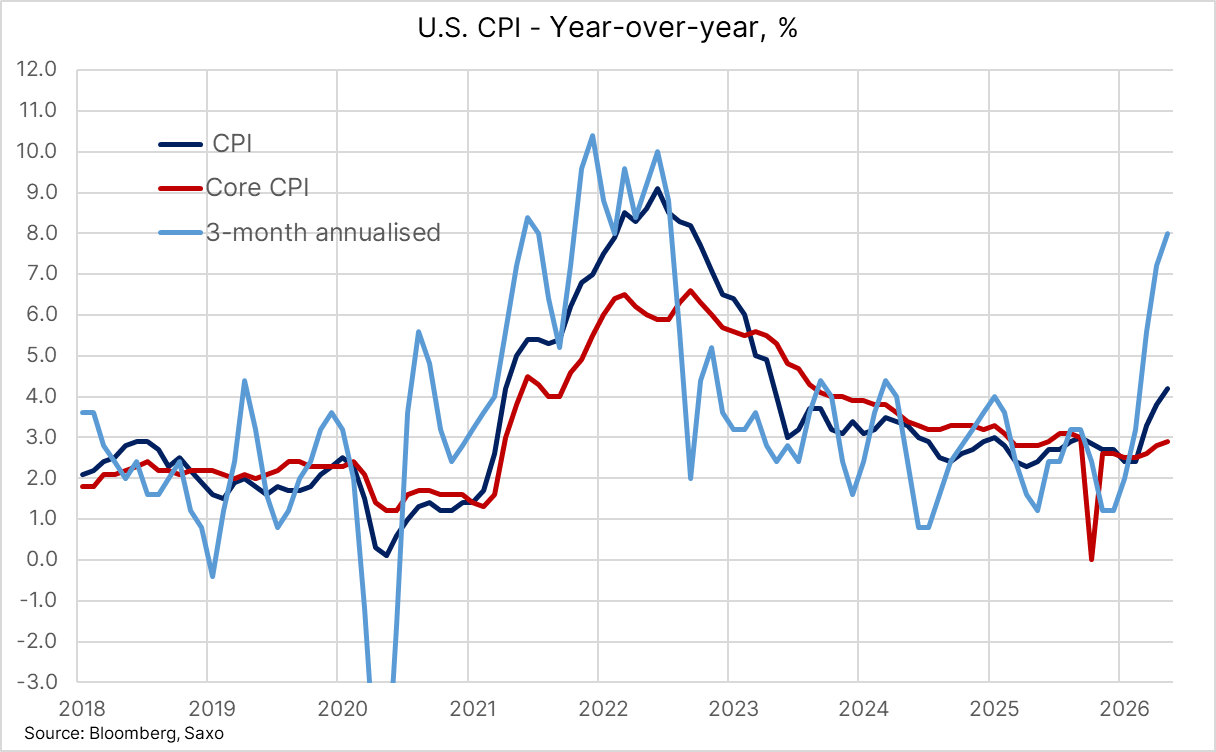
That difference shaped the market reaction to BTC. Investors were focused on whether the price hikes were primarily due to soaring gasoline prices and tensions in the Middle East, or whether they were evidence of inflation taking hold across services, rents and supply chains.
A broader acceleration would have been difficult for traders to ignore. That would have strengthened the argument that the Fed may need to maintain restraint policy for an extended period of time or consider raising rates further if inflation expectations begin to rise.
The report didn’t give the market a perfect picture, but it also didn’t send a jolt that would make it more likely to drop below $60,000.
Bitcoin recovers from a vulnerable environment
Bitcoin’s reaction was sharper as it entered the CPI announcement from a weaker position.
The largest cryptocurrency has been under pressure for weeks, with research firm 10x Research noting that Bitcoin has fallen by $21,000 in 30 days. The decline had traders focused on whether the $60,000 area would hold as support or break out at the next level.
This weakness reflected a combination of macro and crypto-specific pressures.
Spot Bitcoin exchange-traded funds were seen as seeing subdued demand after supporting earlier gains. Rising yields also made non-yielding assets less attractive, with investors reducing exposure to volatile trades ahead of inflation reports.
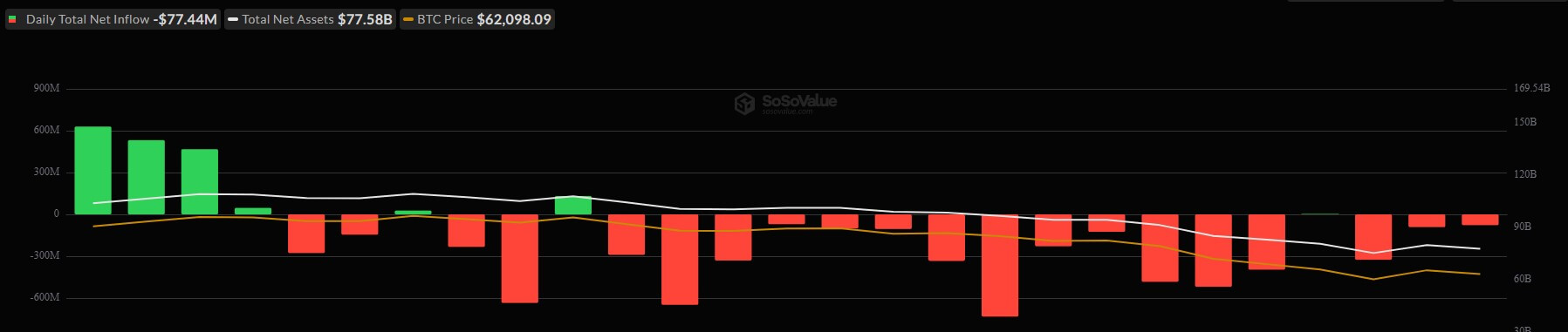
At the same time, market leverage was also reduced. crypto slate It was previously reported that a wave of violent liquidations wiped out more than $10 billion of strong buy positions across the market. This forced selling reduced the depth of speculation that had helped absorb previous declines.
The options market also showed caution before the CPI announcement. BIT officials said put options have a significantly higher implied volatility premium compared to calls, a sign that traders are paying more to protect against further declines.
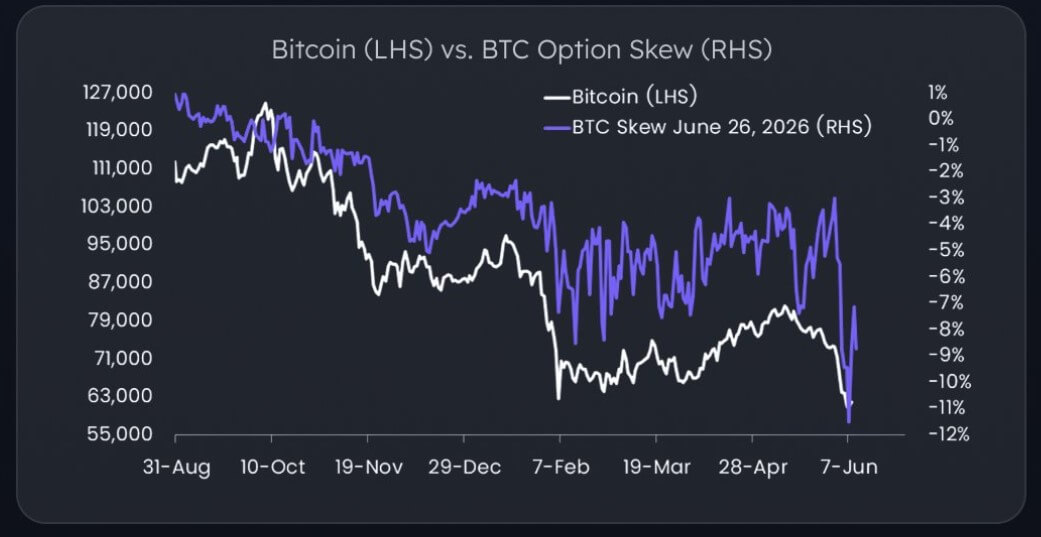
That defensive setup helped fuel the rebound after the report failed to produce a major upside surprise. Traders who had been bracing for further declines now have less reason to continue pushing the price down as Bitcoin remains above $60,000.
Still, a value above $62,000 by itself does not mean a complete reversal of the trend. Bitcoin remains below the levels reached at the beginning of the month, and the market’s recovery will depend on whether buyers move back beyond short-term relief trades.
Fed risk still exists
The CPI report gave the crypto market some breathing room, but it did not settle the interest rate debate.
Headline inflation was 4.2%, still more than twice the Fed’s target. Even if much of the increase is due to energy, policymakers may be wary of easing policy as inflation remains high.
Investors will therefore be paying close attention to the composition of future inflation data. If oil prices fall and core inflation remains subdued, markets may continue to treat May’s rally as a temporary supply shock. Expectations for rate hikes could quickly return if higher energy costs are reflected in services, wages and retail prices.
The bond market was already preparing for that risk before the CPI report. U.S. Treasury yields were rising as traders reassessed whether the Fed is likely to cut interest rates in the near term.
This context remains important for Bitcoin, as it is increasingly traded as part of a broader risk complex. When yields rise and liquidity tightens, cryptocurrencies tend to struggle. Once interest rate pressure eases, Bitcoin could rebound quickly.
The post-CPI rally above $62,000 fits this pattern. That’s because the report only mitigated the immediate risk that inflation would force traders to take a more hawkish view.
Next test goes towards $64,000
The immediate challenge for Bitcoin is to show that the rally above $62,000 can extend beyond the CPI easing rebound.
Before the report was released, analysts had pointed to oversold technical conditions as a reason why Bitcoin could recover if inflation slows more than feared. This pullback suggests that some traders were getting too defensive leading up to the release.
The next level to watch is around $64,000, where the previous resistance could test whether buyers want to move higher. A push into this area would suggest that the market is rebuilding confidence after defending $60,000.
Failure to maintain post-CPI increases will send another message. That would indicate that the rise was primarily a reaction to the not-so-bad inflation report rather than evidence of new demand.
For a more sustained recovery, Bitcoin may need support from multiple sectors at once. ETF flows will need to stabilize, option positioning will need to become more defensive, and broad risk appetite across equities and credit will need to improve.
The CPI report resulted in one immediate win for Bitcoin. The $60,000 level held steady, prompting traders to reassess the downside risks that arose before the announcement.
(Tag Translation) Bitcoin


