

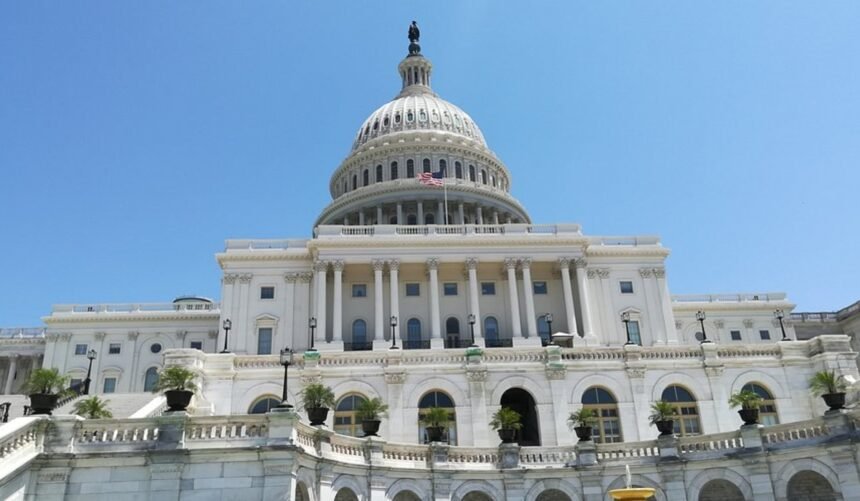
The US Senate Banking Committee this Thursday designated May 14th as a decisive day for digital asset regulation.
The legislators He has submitted more than 100 amendments to the Clarity Act. A project that seeks to establish a legal framework for the operation of the cryptocurrency sector in the United States.
Dial session (markup) is scheduled for 10:30 a.m. today in Washington, D.C., and will serve to define fundamental technical and political aspects of custody, asset trading, and integration of digital currencies into traditional financial systems.
The list of proposed changes includes: Highlighting the participation of Senator Elizabeth Warren. The congressman is known for his skepticism towards the cryptocurrency industry and single-handedly introduced 40 amendments.
According to the committee’s technical document, one of the most controversial aspects of the proposal (Amendment 45) seeks to explicitly prohibit the Federal Reserve System (FED) from providing master accounts or services to uninsured depository institutions that engage in digital asset activities.
According to documents leaked by analyst Chad Steingraber, Warren’s proposed amendments also aim to prohibit digital asset managers from rehypothesizing customer assets (Amendment 44) and remove provisions that allow interest and profit payments on stablecoins (Amendment 48).
This last point is always a source of friction. According to a report by CriptoNoticias, traditional banks are concerned that if these revenues are allowed, digital assets will act as savings accounts that compete directly with traditional bank deposits, causing capital outflows of $6 trillion, according to industry estimates.
On the other hand, there are also proposed amendments that would strengthen monitoring of illegal activities. Proposals from senators like Catherine Cortez Masto propose modernizing bank secrecy laws to include actors in the digital currency ecosystem and close loopholes that allow dollar-denominated stablecoins to circumvent international sanctions.
This Thursday’s session will be held under strong pressure from the financial sector. Organizations such as the American Bankers Association (ABA) and Bank Policy Institute (BPI) sent up to 4,300 letters to Capitol Hill warning of potential legal loopholes.
The number of amendments reflects structural divisions in the Senate that go beyond legislative technology. What is voted on today will determine whether the Clarity Act becomes a bridge to institutional adoption of digital assets or a barrier that isolates companies in this space from basic financial infrastructure.
The outcome of this vote will guide the project forward to the Senate floor. If the most restrictive proposal is successful, the U.S. digital asset industry will may be faced with a very challenging operational environment; Limited by inability to access FED services or offer competitive financial incentives to users.
(Tag Translate) Bitcoin (BTC)


