

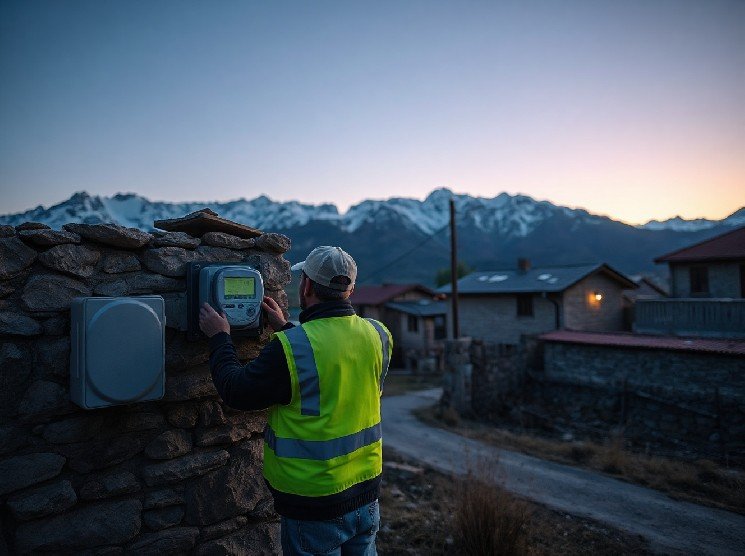
Georgia is stepping up its fight against illicit cryptocurrency mining by deploying new electricity meters in villages in the northwestern Mestia region, according to local reports. The effort, backed by law enforcement, aims to curb energy theft, which is putting a huge strain on the country’s power grid.
There is a large difference in energy consumption in Mestia.
According to 2025 data, Mestia’s electricity consumption was 133 million kilowatt hours (kWh), more than 13 times more than other municipalities of its size. Authorities attribute this extreme discrepancy to widespread unregulated cryptocurrency mining operations that consume significant amounts of electricity without proper metering or payment.
The Georgian government estimates that illegal mining activities cause between $7.5 million and $9.4 million in damage to the nation’s power grid annually. These losses represent a direct depletion of national resources, prompting authorities to take a more aggressive enforcement stance.
How the new meter works
The new electricity meters being installed are designed to provide real-time consumption data, making it much harder for miners to circumvent the billing system. Law enforcement is working with utility companies to identify properties where spikes in consumption indicate mining activity. Once flagged, these locations can be inspected and disconnected from the grid if necessary.
This approach mirrors strategies used in other countries facing similar challenges, such as Kazakhstan and parts of Eastern Europe, where energy subsidies and low housing rates have historically attracted crypto miners.
Broader impacts on Georgia’s energy sector
Georgia has long been a destination for crypto miners due to its relatively low electricity costs and abundant hydropower. But the proliferation of unauthorized mining is straining infrastructure, especially in rural areas where power grids are not designed to handle industrial-scale loads. The Mestia crackdown signals a shift in government policy from permissive to aggressive enforcement, which could affect both small hobbyists and large commercial operations.
For residents, new meters could lead to more reliable power supplies and fairer bills, but they also raise questions about privacy and speed of enforcement. The government has not yet announced penalties for those found to be mining illegally, but disconnection from the power grid is expected to occur immediately.
conclusion
The installation of advanced electricity meters in Mestia, Georgia represents a targeted response to an expensive and growing problem. The government aims to recover millions of dollars in losses and protect energy infrastructure through a combination of technology upgrades and law enforcement assistance. The success of this initiative could serve as a model for other regions grappling with the hidden energy costs of crypto mining.
FAQ
Q1: Why is electricity consumption in Mestia higher compared to similar towns?
A1: The authorities believe that the 13x increase in usage is due to widespread illegal cryptocurrency mining operations that consume large amounts of electricity without being properly measured or billed.
Q2: How much money does Georgia lose each year to illegal cryptocurrency mining?
A2: The government estimates annual losses at between $7.5 million and $9.4 million, which corresponds to unpaid electricity consumption by unauthorized miners.
Q3: What happens to miners caught using the new metering system?
A3: Properties flagged for abnormal consumption spikes will be inspected by law enforcement and may be taken off the grid. The government has not yet released details on specific penalties.


