

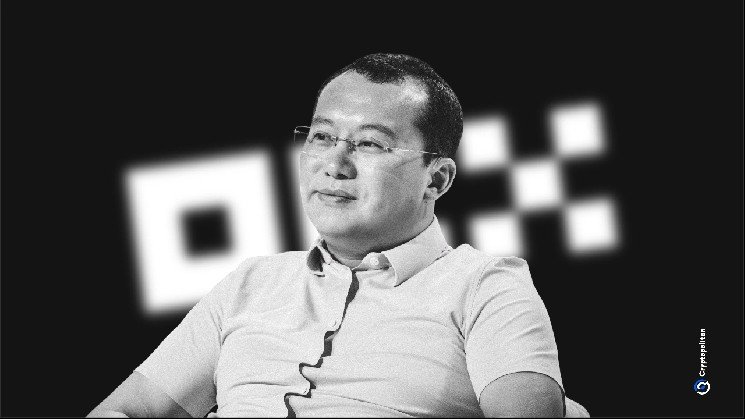
Star Xu, founder of OKCoin and current CEO of its successor platform OKX, publicly expressed doubts about cryptocurrency exchange Binance founder Zhao Changpeng’s claim that he decided to sell his apartment worth $900,000 in order to invest $400 in Bitcoin, sparking a debate about both ownership and finances.
Interestingly, the OKX CEO made this statement shortly after the release of CZ’s book was revealed in the press, highlighting the lack of important information in this story and rehashing previous discussions related to OKCoin.
Conflict between Xu and Zhao heightens tensions among crypto investors
Regarding Mr. Xu’s doubts about CZ’s previous statements, the Chinese entrepreneur questioned the source of the down payment and the real ownership of the apartment.. Based on his claims, Mr. Zhao’s in-laws likely own the apartment in question, and not the industry leader himself. Mr. Xu also expressed concern to the public about the persistent fabrication of this story.
OKX’s CEO then shared a post on social media platform
When reporters asked Mr. Xu why he decided to publicly dispute Mr. Zhao’s statement, Mr. Xu said that he had previously avoided discussing such issues, but the current situation forced him to break his silence to address the inaccuracies regarding Binance. The past of the Binance founder has been exposed in a new book. It therefore urged him to disclose details that had been omitted so far.
In an effort to combat the spread of false information, OKX’s CEO revisited a 2015 contract dispute involving prominent Bitcoin figure Roger Ver. At this particular moment, CZ faced allegations of contract forgery during the OKCoin era.
In response to the accusations, Mr. Zhao denied all allegations as false in his new book. He said the situation was not a violation of conduct, but rather a difference in leadership vision. Nevertheless, even if this claim was made properly, Mr. Xu argued that the previous evidence was still valid, citing old documents and notarized videos. It was shared online many years ago. He also recalled CZ’s previous claims about possible unauthorized access to his QQ account by another employee.
As the ongoing conflict escalated, Mr. Zhao called Mr. Xu a liar and claimed that Mr. Xu had reported Huobi founder Leon Li to Chinese authorities. In response to these claims, the OKX founder publicly stated that the claims were false.
Regarding the accusation that Mr. Li was detained by Chinese police in November 2020, Mr. Xu elaborated on the operations of Asian crypto platforms, noting that major crypto platforms in Asia are overwhelmed by the amount of annual reports obtained from various sources. He said relying solely on such reports threatens the industry’s survival and highlights intense regulatory and competitive pressures.
Several analysts commented on the situation. They argued that the recent standoff over X highlights the complex web of personal and professional conflicts that shape Asia’s top crypto exchange. However, it is worth noting that this conflict stems from allegations in CZ’s autobiography, indicating a major rift between the two, who were once considered allies in the nascent crypto industry.
Analysts outline challenges facing the crypto industry
Analysts have argued that the dispute stems from the long professional careers of Mr. Xu, Mr. Zhao, and Mr. Li. To destroy this argument, they noted that CZ is a former employee of OKCoin, which OKX took over directly. Mr. Zhao publicly cited disagreements over company management as the reason for his resignation.
Shortly after his retirement, he founded Binance, which quickly became the top cryptocurrency exchange by trading volume, sparking a rivalry between the two.
At this time, officials explained that the persistent accusations among crypto industry figures outline how personal conflicts between China’s crypto pioneers continue to shape public opinion.
CZ, Xu, Huobi Group founder Li Lin, and TRON blockchain founder Justin Sun were responsible for creating four of the most powerful platforms in cryptocurrency. They faced intense pressure from the Chinese government, leading to the arrest of their founders and forcing them to move their businesses overseas from 2017 to 2022.
Meanwhile, none of the main claims in this dispute have been independently verified. The screenshots cited by CZ allegedly implicating Li Lin remain unpublished. The report highlights how the evidentiary basis of the 2014 deal remains a subject of debate more than a decade later.


