

Early liquidity could make new tokens look safer
When a new meme coin starts gaining attention on social media, traders often see live price charts, increased trading volumes, and what appears to be enough liquidity to buy and sell easily. For many retail investors, this makes the token look popular and active from day one.
New tokens can appear liquid within minutes of launch. In some cases, things can appear stronger or safer than they actually are.
Some meme coins build real momentum through organic hype and real buyer interest. Others rely on built-in launchers, creator-provided funds, trading bots, or specific liquidity settings that inflate the token’s apparent strength. At worst, liquidity itself becomes a temptation. It lures people in with the false belief that they can easily move in and out of positions until the liquidity disappears without warning.
For anyone considering these high-risk assets, understanding how liquidity develops around brand new meme coins is essential.
What liquidity in cryptocurrencies actually means
Liquidity refers to how quickly and easily an asset can be bought and sold without causing large price fluctuations.
In decentralized finance (DeFi), liquidity typically resides in pools that hold pairs of assets such as:
- New token paired with Solana (SOL)
- New token paired with Ether (ETH)
- New token paired with USDC (USDC)
These pools allow users to exchange tokens directly through automated market makers (AMMs) without relying on traditional buy and sell order books.
If there is enough liquidity in the pool, you can make larger trades with minimal slippage (the difference between the price you expect and the price you actually get). Initially, strong liquidity may suggest stability. But that doesn’t prove the project is legal, community-driven, or built to last.
Did you know? Decentralized exchanges (DEXs) do not require traditional listing approvals, so meme coins can be traded worldwide within minutes. Anyone can create a liquidity pool with just a small amount of cryptocurrencies and token contracts and launch a market directly on-chain.
How meme coins can be traded in minutes
DEXs allow almost anyone to create new trading pairs very easily. Creators can mint tokens and add them to pools almost instantly alongside established coins like SOL and ETH. In many cases, trading begins within minutes.
this is a lot Faster This differs from traditional finance, where listings often involve regulators, brokers, and professional market makers. Our user-friendly Launchpad platform, built for non-experts, allows you to quickly create tradable tokens with even a single wallet.
Many recent launches use the bond curve mechanism popularized by platforms such as Pump.fun. Buyers buy directly from the mathematical curve, and the more people buy, the higher the price. This means that based on the design of the curve, early purchasers will typically receive their tokens at a lower price than later purchasers.
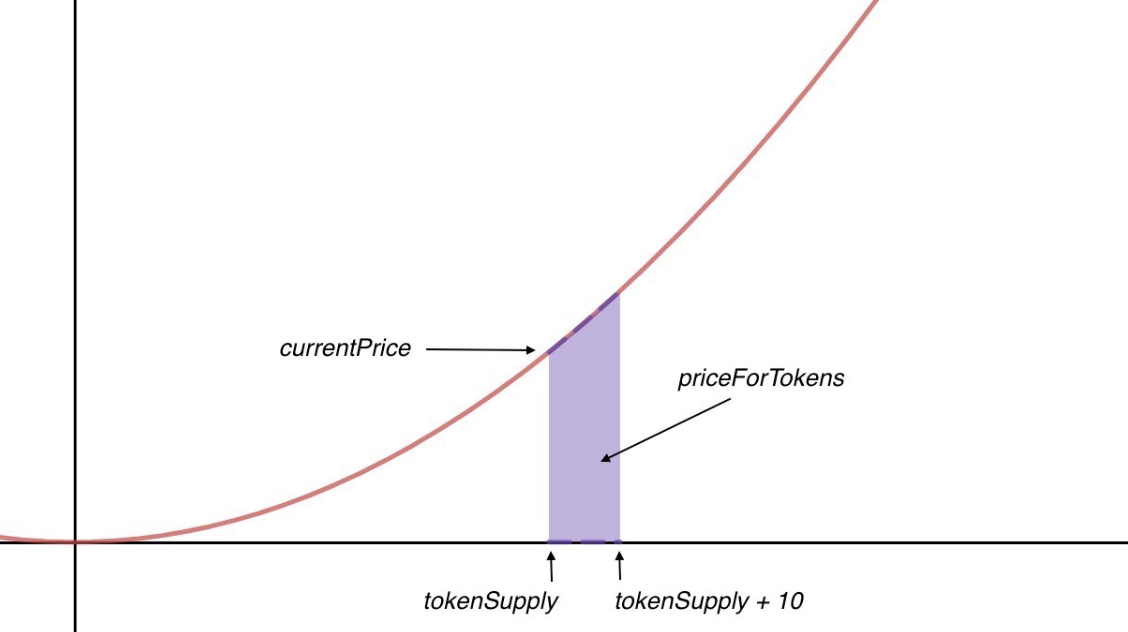
Once the trading volume reaches a set threshold, the tokens can “graduate” to standard AMM pools on exchanges such as Raydium. This can make it appear to outsiders that the coin gained real trading volume and liquidity almost immediately. Often, much of that initial movement is simply the firing mechanism working as designed.
Liquidity provided by creators may come with hidden risks
One reason new tokens appear more liquid is when the creators themselves add funds to the liquidity pool. This may include new tokens along with assets such as SOL, ETH, and stablecoins.
The main problem is control. You can remove liquidity at any time if the same wallet that added it still controls it. this is The basics of the classic “lug pull” As hype builds, prices rise, liquidity erodes, and holders are unable to sell once the pool is depleted.
Therefore, while markets appear active and healthy on the surface, they are easy to dismantle. new automatic market maker, Uniswap V3 etc.allowing liquidity providers to keep funds internal. specific Adjust your price ranges instead of spreading your prices evenly across all possible prices. While this can lead to more efficient use of capital, it can also lead to a misleading impression of the depth of the market.
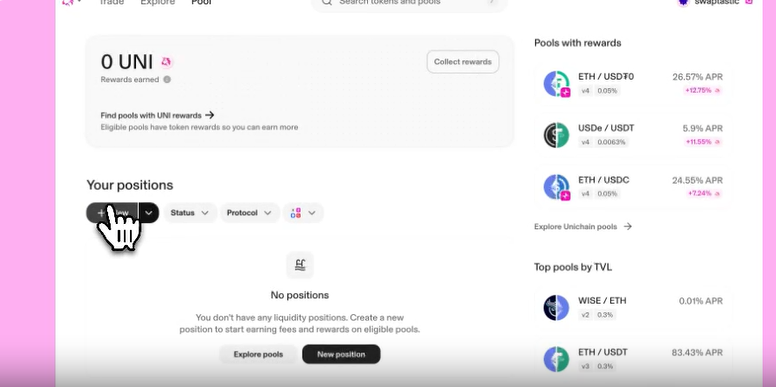
meme coin It may exhibit strong liquidity near the current price, but that support may disappear if the price moves beyond the selected range. For regular traders, this means that while small buys and sells may be completed without any problems, large orders or sudden price changes can cause significant slippage. What looks like solid depth may just be a narrow range of liquidity and not true market stability.
Automated bots often drive initial activity
Much of the initial activity surrounding the new meme coin may be due to trading bots rather than regular users. Sniping bots scan the blockchain for newly launched tokens and break in within seconds. Other bots handle arbitrage, create artificial market-making activities, or execute rapid trading strategies.
This can lead to increased transaction volumes without reflecting the true interest of the community. Although the coin may seem very active, most transactions are simply bots trading with each other. This is why raw volume numbers alone cannot be trusted. A better metric to consider is:
- Number of separate wallets involved
- How tokens are evenly distributed among owners
- Typical deal size
- Maximum wallet concentration
- pattern of repeated buying and selling
A token that is showing large volumes from just a handful of wallets is unlikely to have widespread organic participation.
Did you know? Some meme coin launch platforms use bonding curves, where the token price automatically increases as more buyers enter. This means that early charts can look very active even before the token reaches the liquidity pools of traditional decentralized exchanges.
Insiders and market makers can shape early price action
Some launches may involve a coordinated group distributing supply across multiple wallets to create the appearance of decentralization. These connected participants may buy and sell in ways that increase interest and push the token onto trending lists or attract external attention.
This activity is so similar to real buyer interests that it becomes difficult to know what is natural and what is planned. not all New Meme Coin OperatedBut this helps explain why some early charts appear to have been carefully constructed rather than naturally formed.
Tools such as Bubblemaps, Solscan, and Etherscan can help identify anomalous wallet clustering and ownership concentrations.
Many retail traders believe that higher liquidity means lower risk. In reality, even large liquidity pools can be misleading in the following cases:
- A single wallet controls most of the liquidity
- Liquidity remains unlocked and removed
- Liquidity is concentrated in a narrow price range
- Volume is primarily manipulated by bots
- This project relies mainly on short-term publicity
- Insiders account for most of the supply
Although tokens may appear stable on the surface, they can be vulnerable to sudden declines, especially in the fast-moving meme coin market.
Did you know? Liquidity does not necessarily mean safety. Tokens can exhibit hundreds of thousands of dollars of liquidity while being controlled by a single deployer wallet that can potentially remove funds almost instantly.
The real risk: Liquidity disappearing when you need it most
In stressful market environments, liquidity becomes paramount. A coin may trade smoothly while the price is rising, but problems can quickly arise if many people try to sell at the same time.
If a liquidity provider removes funds or central liquidity is depleted during volatility, traders may face issues such as:
- extreme slippage
- Difficult to get out of position
- sharp price decline
- failed transaction
- The difference between the buy price and the sell price is large
This can lead people to think it’s an easy sell until they actually need it. In weak or manipulated markets, retail holders may find themselves faced with diluted or eliminated liquidity at the moment selling pressure increases.
Key risk checks for new meme coins
Don’t rely solely on price lists. Initial charts may appear active even if there is significant risk in the underlying configuration. Before trading newly minted tokens, please check the following:
- Is liquidity locked or burned?
- Who actually manages the pool?
- How concentrated are the top holders?
- Are there any connected or suspicious wallets?
- How many unique wallets are actively traded?
- Are smart contracts verified and transparent?
- Are there any hidden fees, sales limits, or other restrictions?
- Does liquidity exist in multiple pools?
- How much do larger sell orders affect the price?
Liquidity is just one clue among many. It should never be mistaken as evidence of a reliable project.
Platforms like DEX Screener and Geckoterminal provide real-time data on liquidity levels, pool age, volume trends, and current activity.
Blockchain explorers like Solscan and Etherscan allow you to see deployer wallets, holder distribution, liquidity movements, and contract details.
Wallet visualization tools like Bubble Map can reveal hidden clusters of related addresses that may not be obvious at first.
These resources won’t completely eliminate risk, but they can help you identify red flags early.


